Firefly Advertising Explained: Formats, Markets, Measurement and How It Is Bought
An independent buyer's guide to Firefly advertising: formats, the 15 markets, published LoopMe and Reveal studies, programmatic access and what to ask.
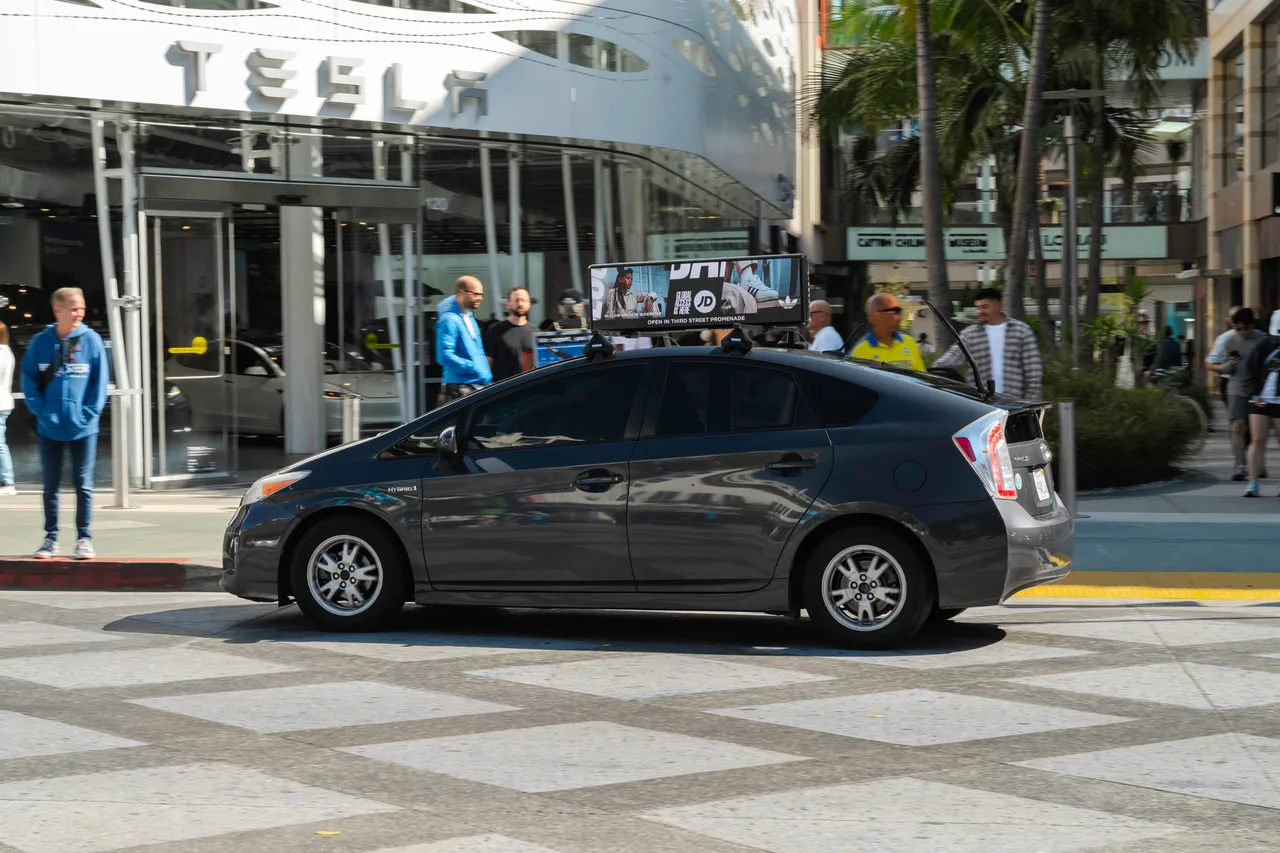
Firefly advertising is a moving out-of-home network that sells digital and static tops on taxis and rideshare vehicles, 360, 270 and 180 wraps, in-car TaxiTV and LED, glass and hologram trucks in 15 North American markets, measured through published LoopMe, Foursquare and Reveal studies. This is an independent buyer's guide to what it sells and how it is bought.
The guide is built from Firefly's own product pages, case studies and press releases, all read on 14 September 2026, and from nothing else. It does not carry a price, because Firefly does not publish one. Where its site is silent, the section says so. Disclosure: the editor of this site works at Firefly, so this guide describes the editor's employer; links to Firefly are marked sponsored. The wider relationship is set out on the about page and in the footer.
What does Firefly advertising include?
Four product lines, sold from four pages. On-car is the core: a roof-mounted digital display with GPS built into the hardware, or a static top, on a taxi or rideshare vehicle, with or without a wrap beneath it. In-car is a screen facing the passenger. Around-car is what you add to a vehicle campaign. Experiential is LED, glass, hologram and food trucks and a Las Vegas spectacular. The table lists every product each page names.
| Product line | Products, as named on the page | What the page says they do |
|---|---|---|
| On-car | Digital tops; 3D anamorphic creatives; static tops (standard, 2D, 3D); car wraps (360, 270, 180, 180+); glow wraps | Full-motion screens with built-in GPS running HTML creative, scheduled by time of day and day of week, triggered by weather or location, with neighbourhood and language targeting; static tops with 100% share of voice; wraps for vehicles with or without a top |
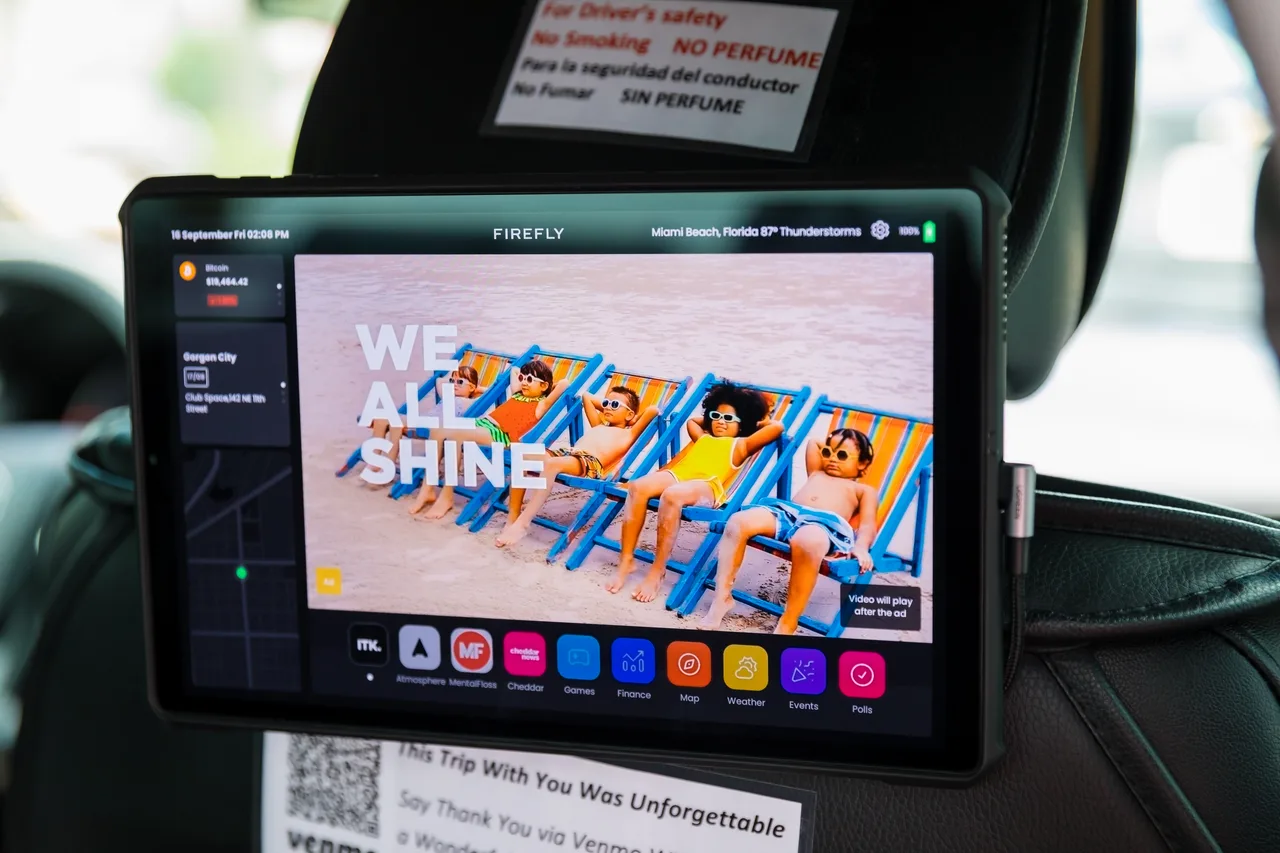
| In-car | TaxiTV; golf screens | TaxiTV, running since 2007, carries local NBC news and entertainment with geo-fencing, day-parting, video and display, programmatically enabled; golf screens are HD touchscreens on courses with regional targeting and day-parting |
| Around-car | Coordinated swarms; complimentary rides; 3D animated hologram; brand ambassadors; retargeting; vehicle build-outs | Multi-vehicle takeovers on a custom route with 100% share of voice; free rides paired with on-car media; holograms emerging from the digital top; sampling staff; retargeting within minutes or after two or more days across mobile, web and OTT; bespoke build-outs on 360-wrapped vehicles |
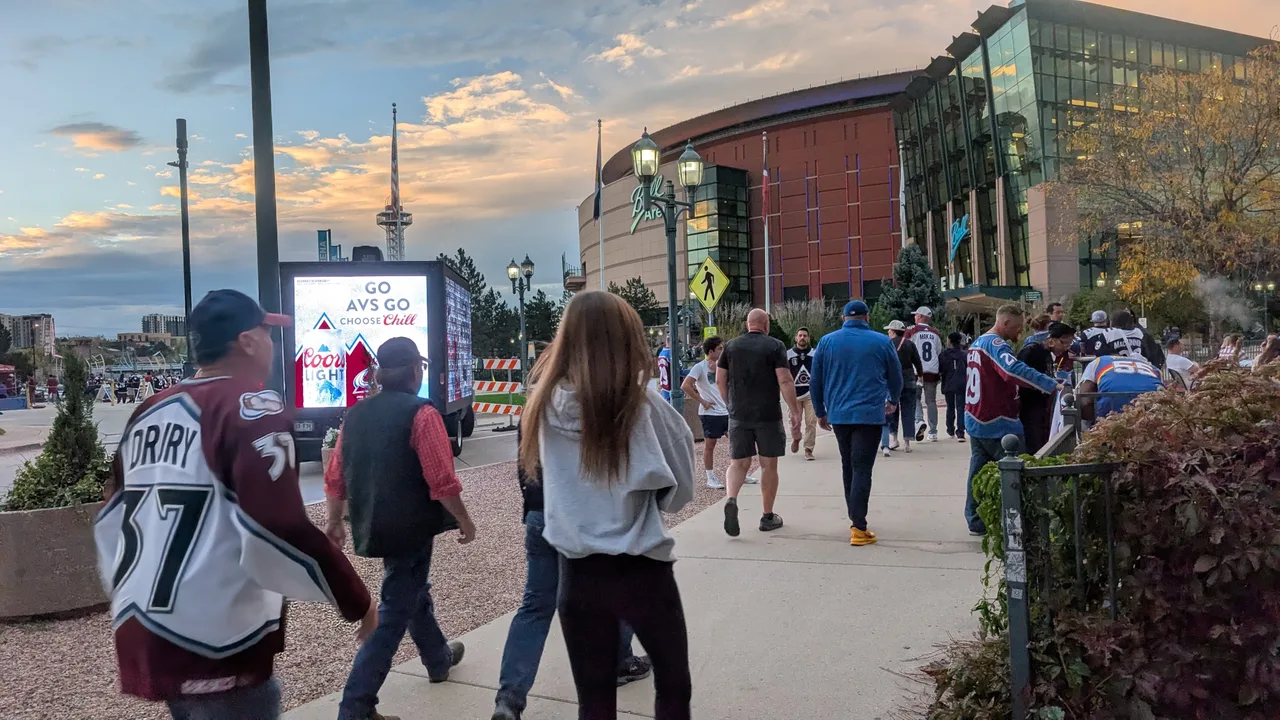
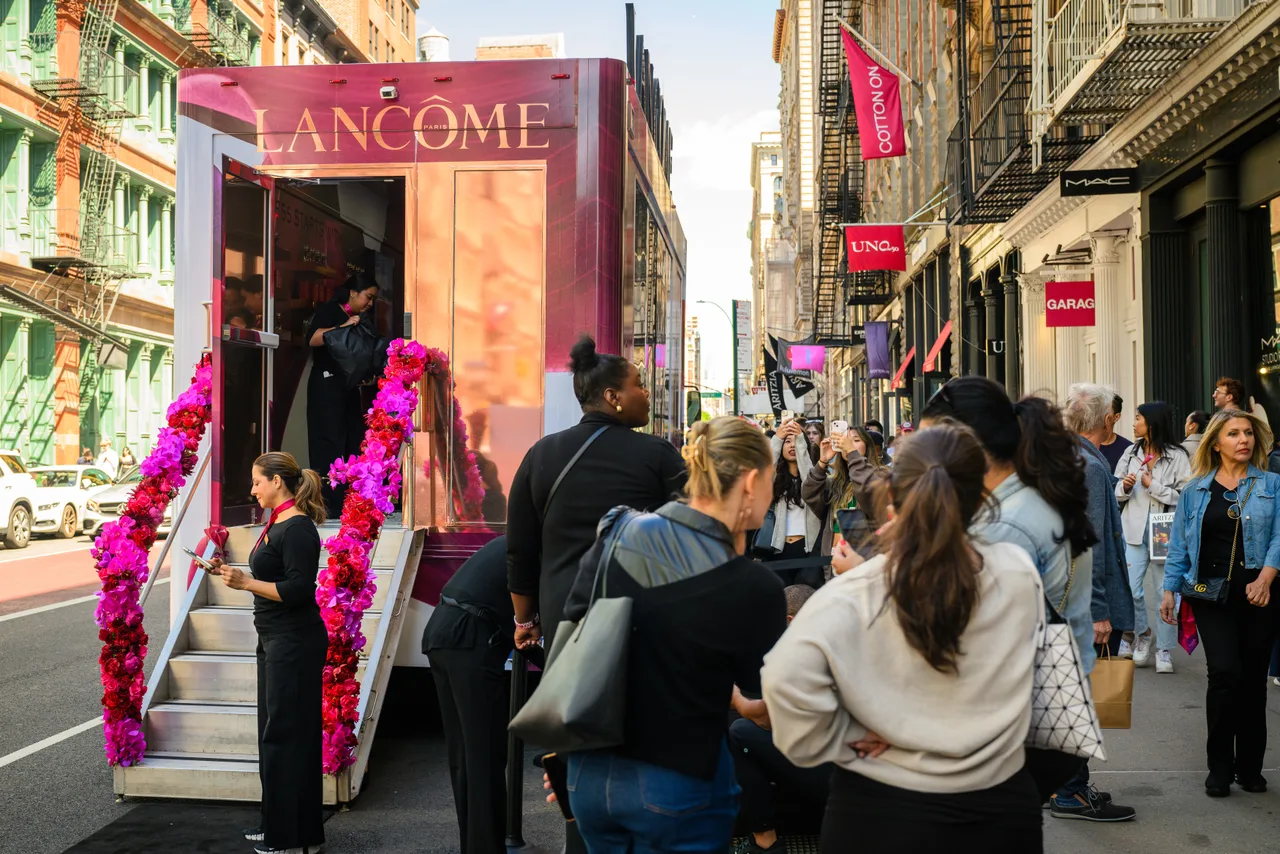
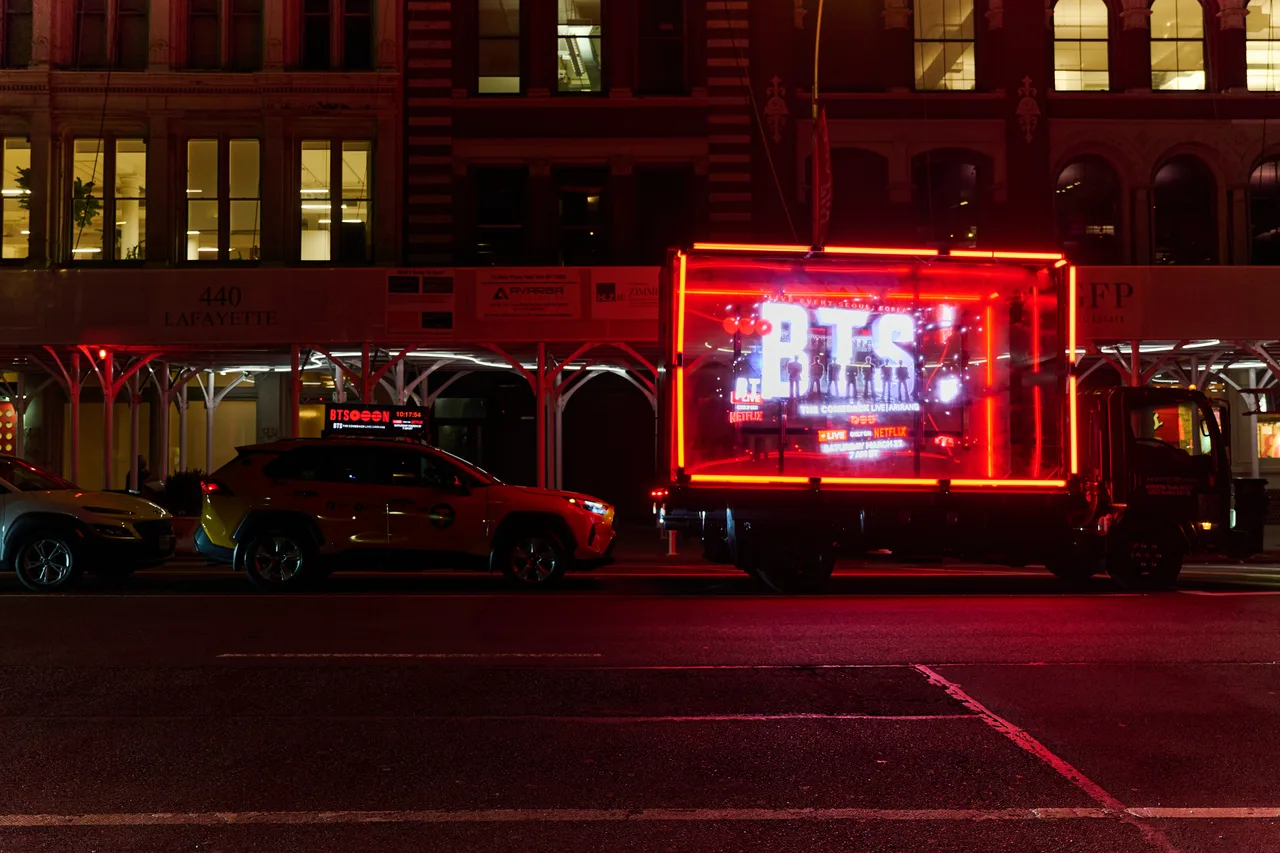
| Experiential | The Vegas Miracle; LED digital trucks; glass trucks; 3D hologram trucks; velocity projection; branded food trucks | A Las Vegas Strip display of more than 20,000 square feet across eight faces, with nine interior LED displays and 23 kiosks; trucks running video or static creative on LED, transparent enclosures for product showcases, holographic enclosures, laser projection along a route, and food trucks for sampling |
Two things in that table decide whether Firefly is the right call. The digital top is the reason to choose it over a wrap network: creative on a screen can change by hour, by weather and by neighbourhood, and the GPS is in the screen rather than in a driver's phone. The truck line is the reason to choose it over a stationary DOOH network: a glass truck or a hologram truck is a one-night event you cannot buy from a billboard company. If neither applies, a wrap marketplace may serve the brief as well, and the Wrapify, Carvertise and Firefly comparison sets the three side by side.
Where does Firefly advertising run?
Fifteen markets, named on the homepage: New York, Chicago, Los Angeles, San Francisco, Dallas, Las Vegas, Austin, Miami, Boston, Philadelphia, Atlanta, Phoenix, Washington DC, Houston and Toronto. The same page mentions Colombia as a Latin American expansion, and the company's 2026 press releases describe operations in seven countries with offices in New York, Los Angeles, Chicago, Las Vegas, London and Istanbul. The 2023 wrap-standard release listed the United Kingdom and Canada alongside major US markets.
The market list is for the digital-top network. The campaign archive on this site includes truck activations in cities outside it, such as an LED truck in Denver, so if your city is not one of the fifteen, ask whether it is served by the top network, by a truck booked per activation, or not at all. Firefly does not publish a screen count per market; its April 2026 release puts the network at more than 60,000 screens in total, without a breakdown.
How is Firefly advertising measured?
Five study types, run with named third parties, and two of them published in full with dates. The measurement page lists a brand study (awareness, recall, favorability), foot traffic at retail locations and events, web conversions, app conversions, and retargeting of the exposed audience. The page names Foursquare for a convenience-store footfall case, and the case-studies page lists seven cases by title, including "Brex sees Web Traffic Increase by +90%" and "Puma Increases Flagship Footfall", whose details sit in images rather than text.
The two you can read in full are the ones to ask for by name. The LoopMe brand study, published 28 November 2024, covered a cosmetics brand on digital tops in Chicago, New York, Los Angeles and Miami, geofenced to high-value zip codes. It targeted 30,000,000 impressions and delivered 39,981,921, which Firefly reports as 33% added value, and found lifts among exposed audiences against control of 43% in brand awareness, 44% in recall, 46% in favorability and 85% in purchase intent.
The Reveal white paper, "The Amplifying Effect, Part II", released 6 May 2026, is a different kind of evidence: reach and frequency rather than lift. Analysing multiple campaigns on deduplicated mobile location data, it found that moving OOH generated up to 2.8x greater growth in unique reach relative to impression growth when added to stationary OOH, that digital car tops delivered 60% to 80% greater unique reach than stationary formats at equal impressions, and that frequency moved from concentrated exposure of 5 to 19 impressions toward a range of 3 to 8. The first paper in the series, from October 2025, reported that combining stationary and moving OOH lifted campaign performance by 50% to 100%. The results page explains why this site quotes those figures and not daily-impression claims.
How is Firefly advertising bought?
Two ways: direct, through the contact form on every product page, or programmatically through the supply-side platforms it names. The advertising solutions page states that Firefly is available through Place Exchange, Vistar Media, Hivestack and Broadsign, integrated with major demand-side platforms, as Programmatic Guaranteed or open-marketplace deals, with Dynamic Creative Optimization so a campaign can adapt by location, time of day or context. A release dated 23 April 2026 added VIOOH as a fifth pathway. The same solutions page lists the targeting a direct buy can specify: geofencing, zip code, DMA, competitor conquesting and day-parting, with creative triggered by location, weather, live events and product launches.
What that means in practice: if your agency already trades DOOH through one of those five platforms, Firefly's tops can sit in the same plan as a stationary screen, with the same deal ID structure. If you want a swarm, a truck or an in-car buy, you go direct; those are not programmatic products. The car top advertising guide covers how the top format is planned regardless of vendor.
What does Firefly not publish?
A rate card, first. There is no price, no minimum spend and no minimum flight anywhere on the site; every campaign is quoted per brief, on request, and any figure attached to the name elsewhere came from a reseller. Three other gaps are worth knowing before the first call. No screen or vehicle count per market is published, only the network-wide figure of more than 60,000 screens. The case studies on the case-studies page are images, so their numbers cannot be quoted from the page; ask for the underlying report. And the two 2026 press releases give different monthly impression totals for the network, more than 13 billion in April and more than 10 billion in May, so ask which figure applies to the markets you are buying.
What should you ask before booking Firefly?
- How many digital tops will run my creative in each market, and what share of voice does that represent on the screens I am buying?
- Which study type fits my objective, which partner will run it, and can I read that partner's previous Firefly study before I sign?
- If I buy programmatically, which SSP, which deal type, and does DCO cover the dayparts and weather triggers I need?
- For a wrap, is the quote a 180, 270, 360 or 180+, and is a digital top on the same vehicle included or separate?
- For a truck or swarm, what is the route, the dwell plan and the date, and who supplies the photography?
- What arrives in the report: impressions against target, route logs, the study, or all three?
Format archive: eight Firefly formats as they ran
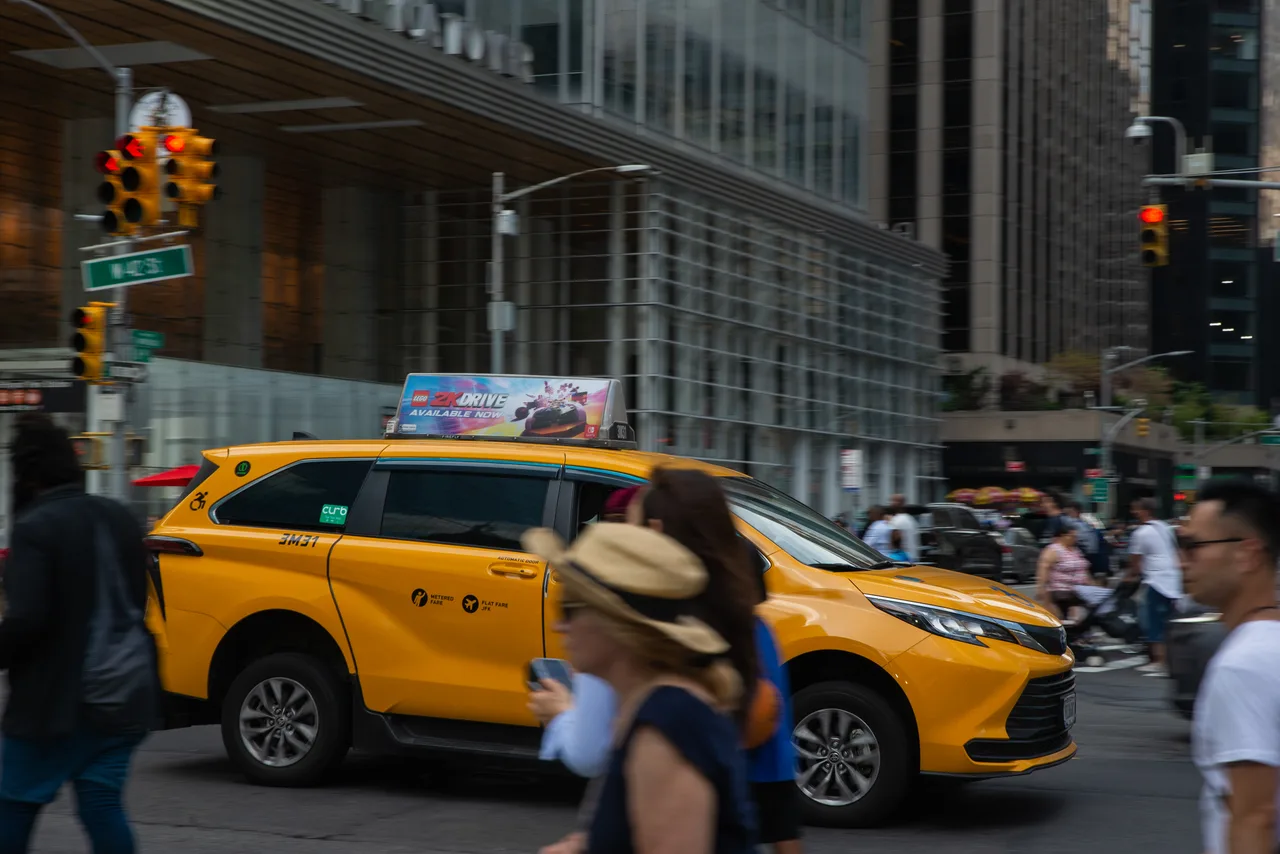
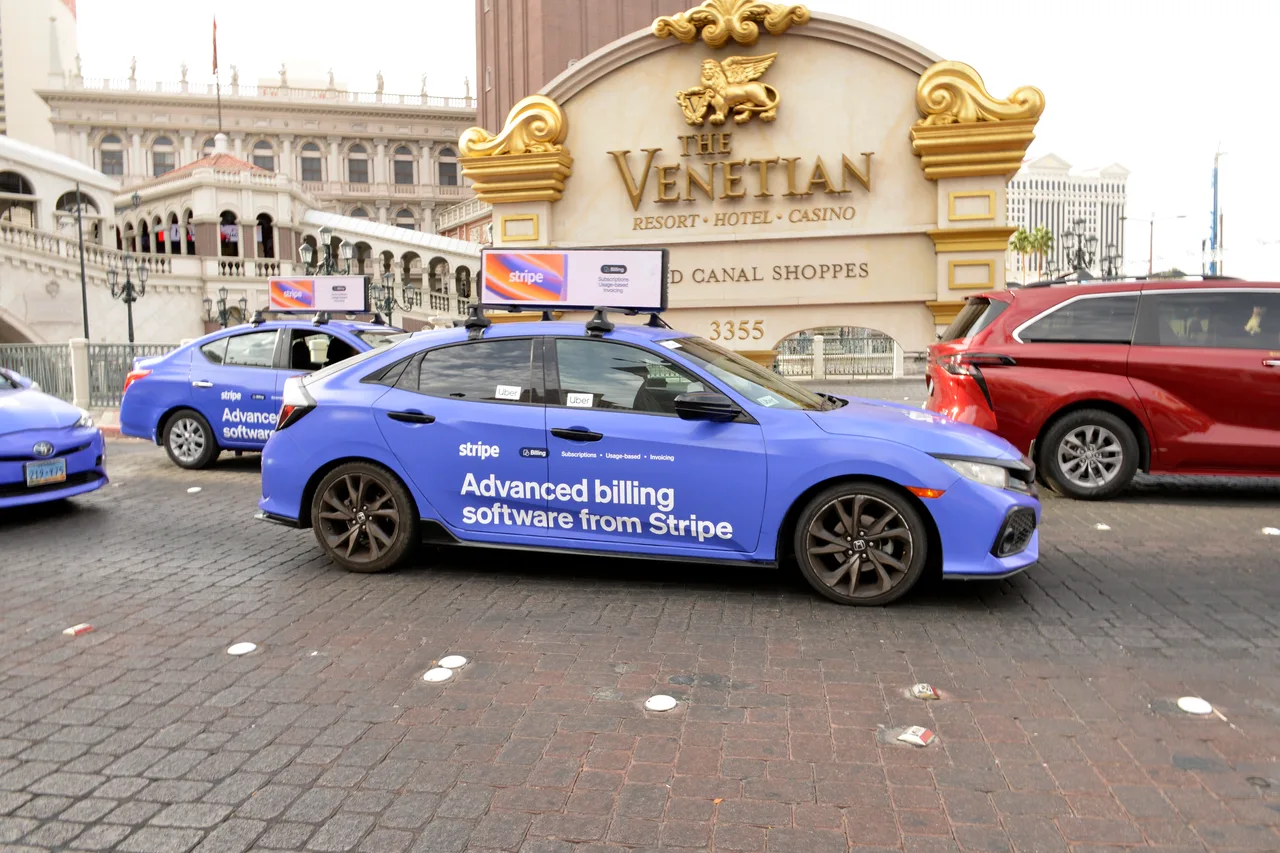
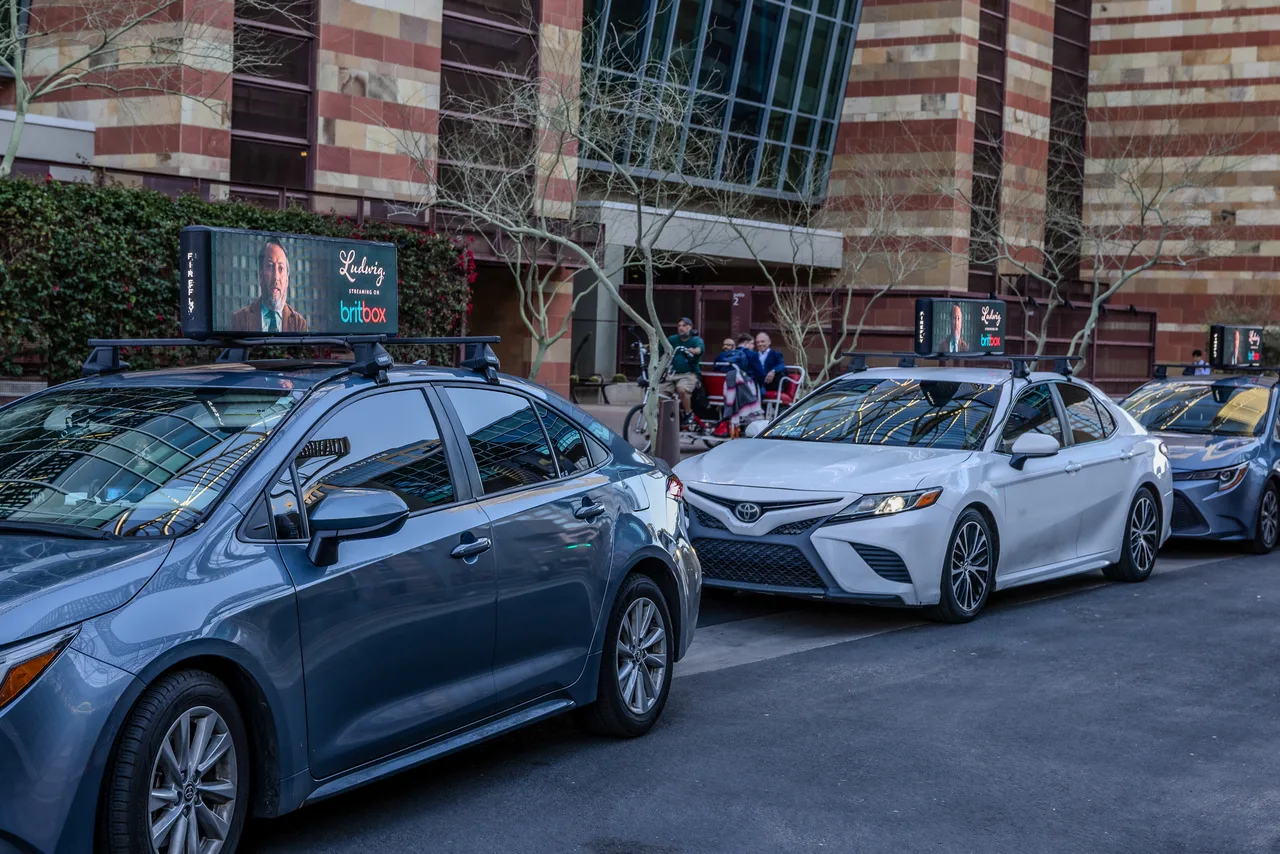
Every frame below is a photograph of a live campaign, not a render, captioned brand, format, city and year. They are here so a buyer can see what each product line looks like on a street before reading a proposal; the full campaign archive holds 49 frames drawn from 3,783 campaign photographs across 21 formats.
Frequently Asked Questions
What is Firefly advertising?
Firefly advertising is a moving out-of-home network built on taxis and rideshare vehicles. It sells digital tops with built-in GPS, static tops, 360, 270 and 180 wraps, in-car TaxiTV screens, coordinated swarms and LED, glass and 3D hologram trucks, across 15 named markets in the United States and Canada, per its own site in September 2026.
Which cities does Firefly car advertising cover?
Fifteen, per its homepage: New York, Chicago, Los Angeles, San Francisco, Dallas, Las Vegas, Austin, Miami, Boston, Philadelphia, Atlanta, Phoenix, Washington DC, Houston and Toronto. Its press releases describe operations in seven countries and offices in London and Istanbul, and its homepage mentions Colombia as a Latin American expansion.
How much does Firefly advertising cost?
Firefly does not publish a rate card, a minimum spend or a minimum flight. Every campaign is priced per brief, on request, and any figure attached to the name elsewhere comes from a reseller or aggregator rather than from Firefly. Send the market, dates and budget band and ask for a written proposal.
How does Firefly measure advertising results?
Through brand, foot-traffic, web-conversion, app-conversion and retargeting studies with named third parties. Its published LoopMe brand study of November 2024 reported 44% recall lift and 85% purchase-intent lift for a four-market digital-top campaign, and its Reveal white paper of May 2026 found up to 2.8x greater unique-reach growth when moving OOH was added to stationary OOH.
Can Firefly ads on cars be bought programmatically?
Yes. Its advertising solutions page states availability through Place Exchange, Vistar Media, Hivestack and Broadsign, as Programmatic Guaranteed or open-marketplace deals with Dynamic Creative Optimization, and an April 2026 release added VIOOH. Swarms, trucks and in-car buys are booked direct rather than programmatically.
What is the difference between a Firefly digital top and a static top?
A digital top is a full-motion screen with built-in GPS that runs HTML creative scheduled by time of day and day of week and triggered by weather or location, and can be bought programmatically. A static top is a printed panel in standard, 2D or 3D form that carries one message for the flight with 100% share of voice on that vehicle. Both sit on the same taxi and rideshare fleet.
What to send us
- Market, or markets
- Dates, or flight length
- Budget band
- The metric you will judge it by
A person replies with a written range and the formats that fit. No rate card exists; every number on this site is a published third-party figure.
Send the briefSources
- Firefly. Homepage, accessed 14 September 2026 (15-market list, product menu, Colombia mention).
- Firefly. On Car Advertising, In Car Advertising, Around Car Advertising and Experiential Advertising, all accessed 14 September 2026.
- Firefly. Measurement and Attribution and Case Studies, accessed 14 September 2026.
- Firefly. Advertising Solutions, accessed 14 September 2026 (Place Exchange, Vistar Media, Hivestack, Broadsign; targeting options).
- Firefly. Case Study: Boosting Key Brand Metrics with Firefly Digital Taxi/Rideshare Tops, measured by LoopMe, published 28 November 2024.
- Firefly and Reveal. Firefly and Reveal Study Finds Moving Out-of-Home Unlocks Up to 2.8x Greater Reach, press release, 6 May 2026.
- Firefly. Firefly Expands Programmatic Capabilities Through Integration with VIOOH, press release, 23 April 2026.
- Wrapify, Firefly, mobilads. Mobility Advertising Introduces Vehicle Wrap Standardization, press release, 11 January 2023.
Written by
Melih Koray is a marketing and SEO practitioner who documents out-of-home media. He edits this site, sources every figure on it and checks each campaign caption against the photograph. He does not publish unsourced numbers, and he does not publish any operator's rate card.