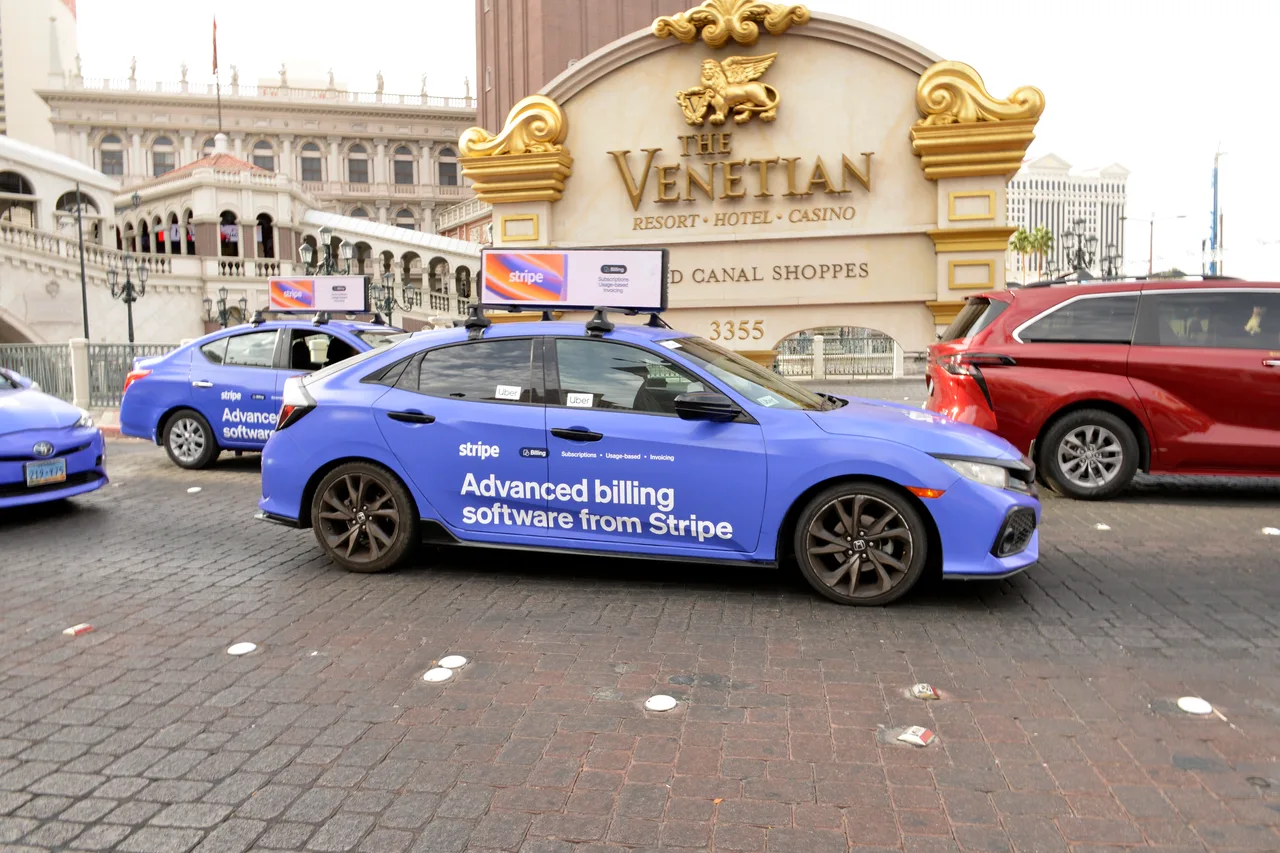
Wrapify vs Carvertise vs Firefly: Which Car Advertising Network Fits Your Brief?
Carvertise and Wrapify wrap drivers' own rideshare cars; Firefly runs a digital-top network in 15 markets. Formats, markets and minimums compared.
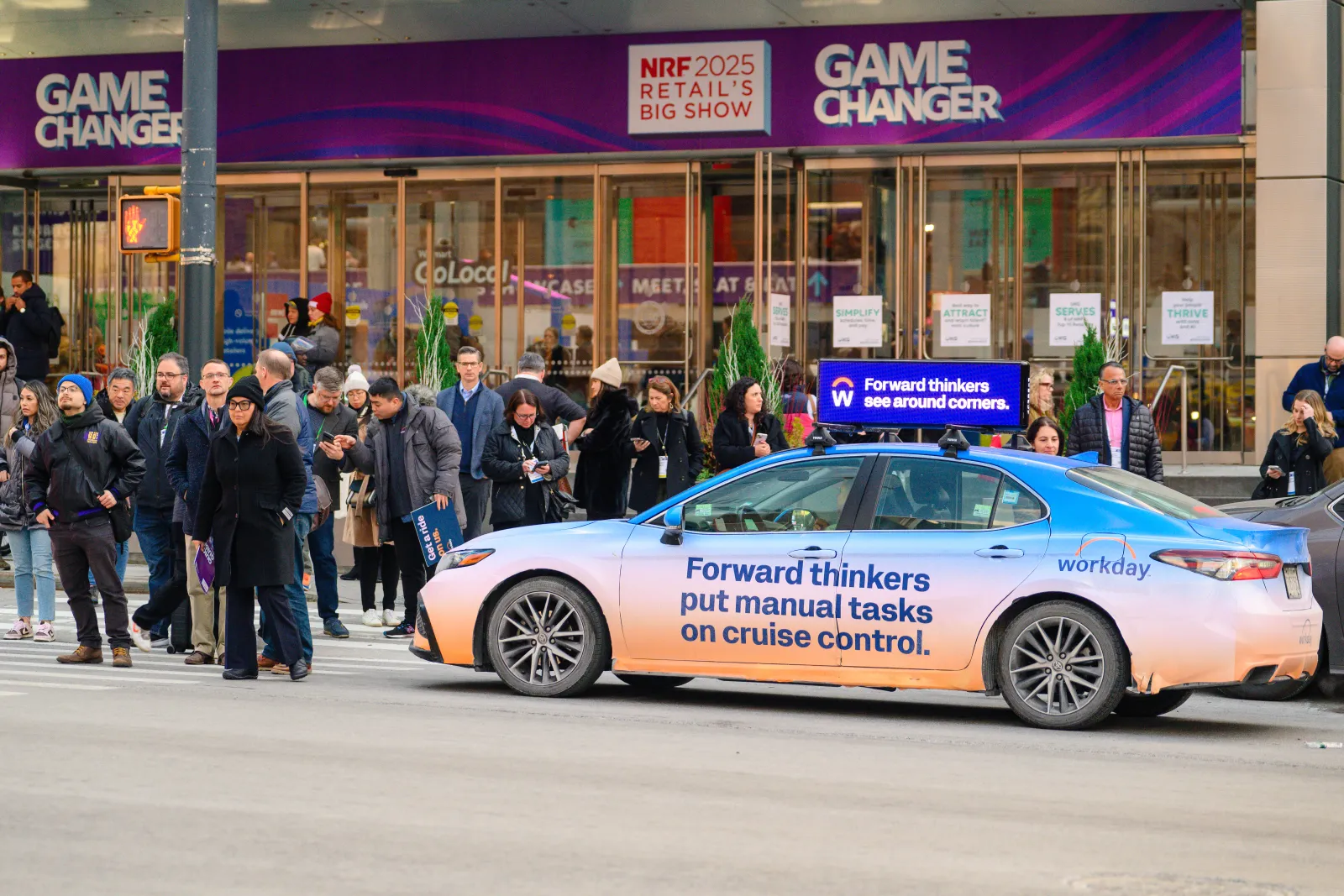
Car top advertising puts a static or digital display on the roof of a taxi or rideshare car; wraps, LED trucks and swarms reach the same street-level audience in other ways. This site documents what each format does, what published rate cards charge, and what campaigns measured afterwards. Sourced, or not published.
A cosmetics brand ran digital tops across Chicago, New York, Los Angeles, and Miami. LoopMe surveyed exposed and control audiences afterwards. Every figure below links to the published study.
Exposed audience vs control
Same campaign, four markets
Against a 30M target, 33% added value
Moving OOH added to a stationary buy
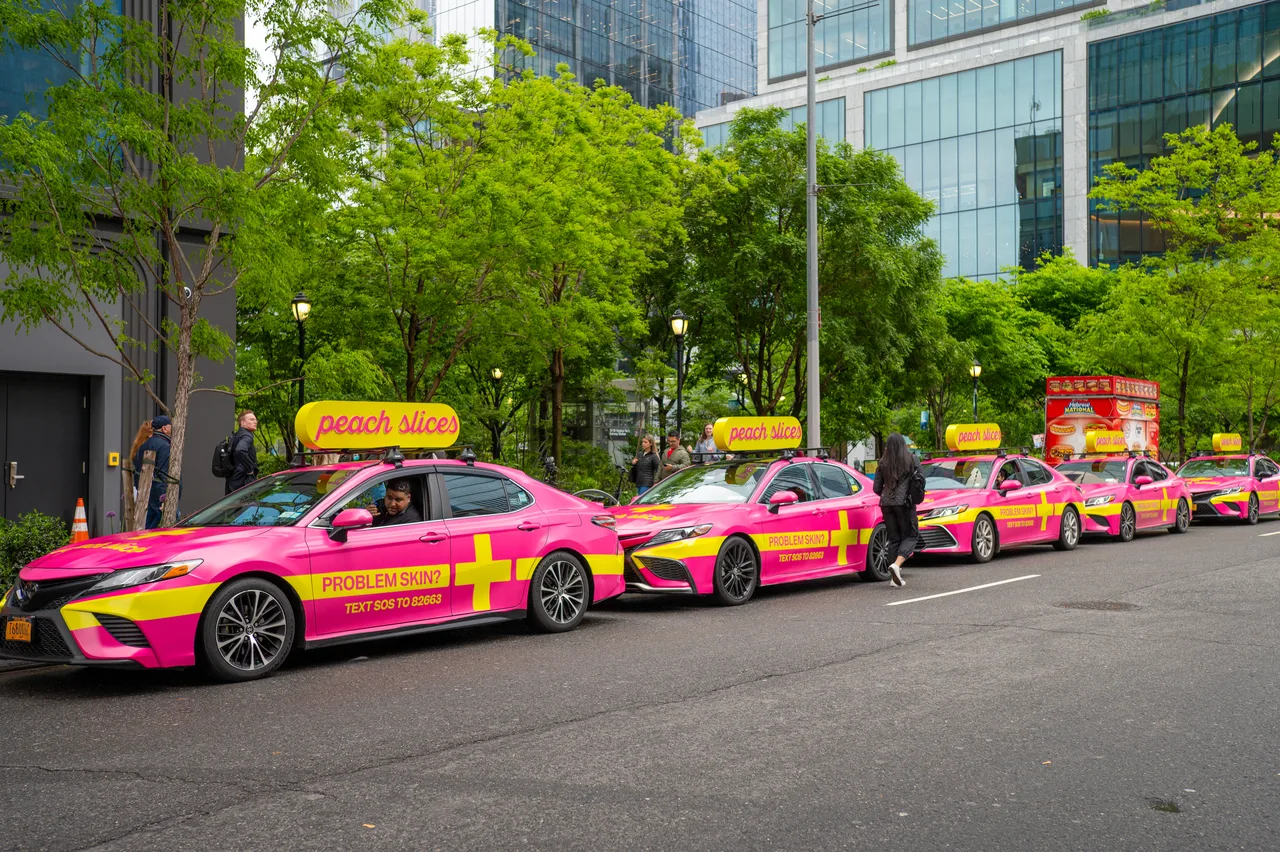
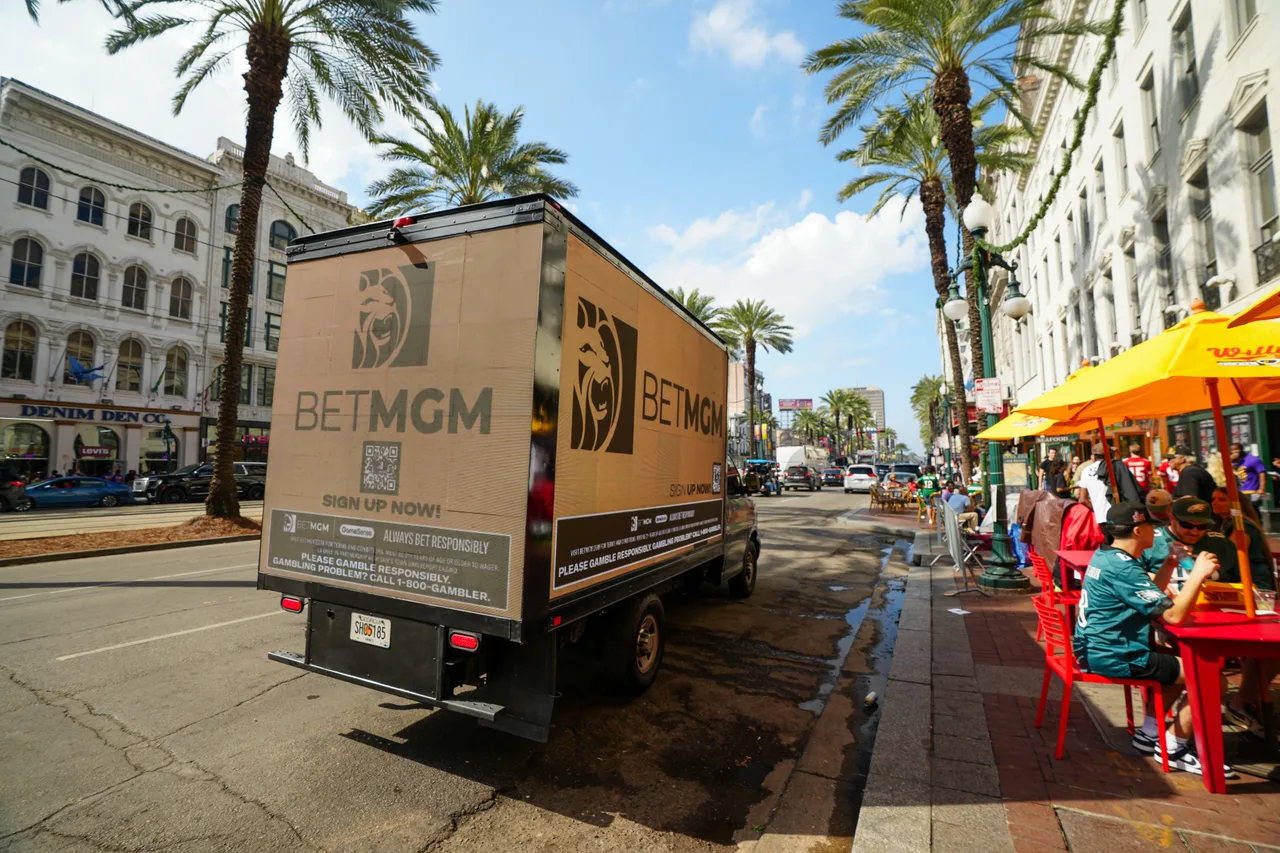
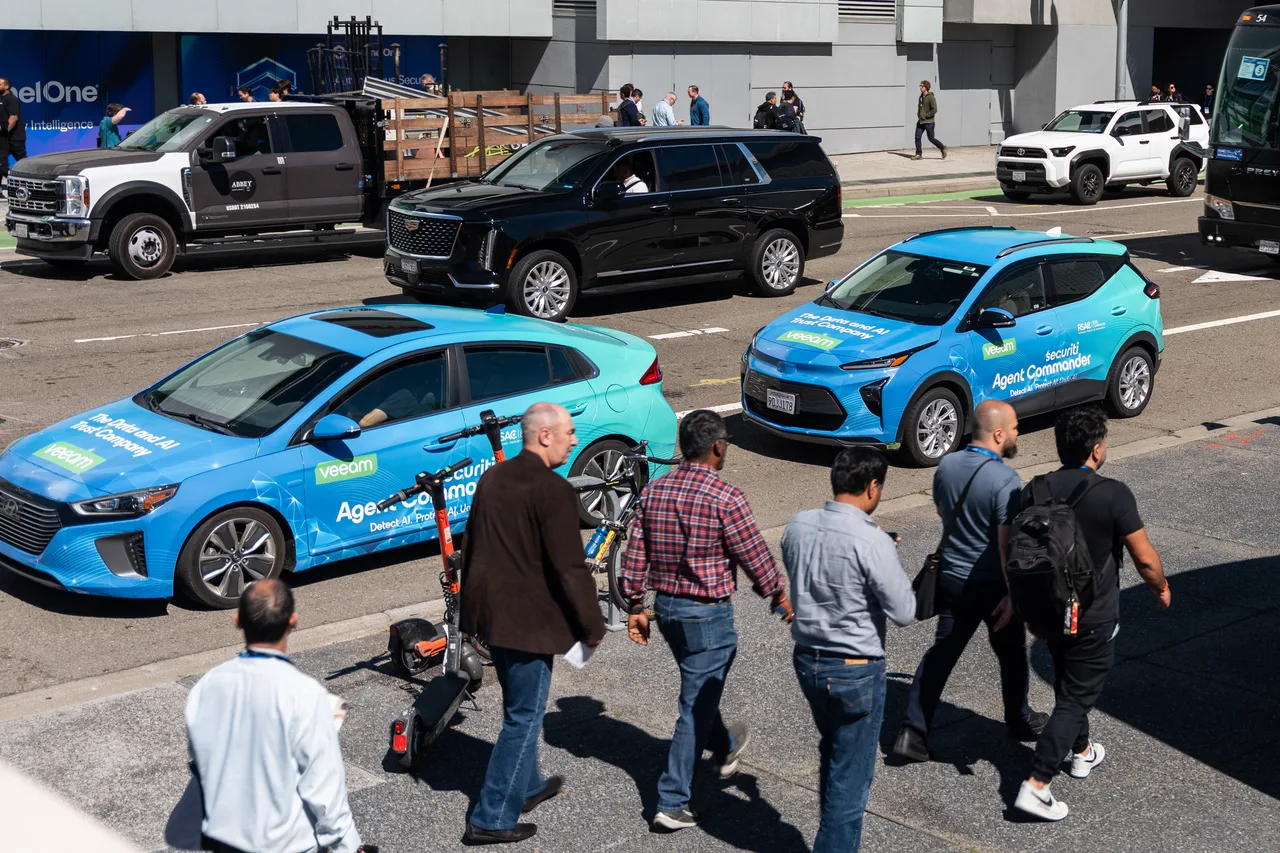
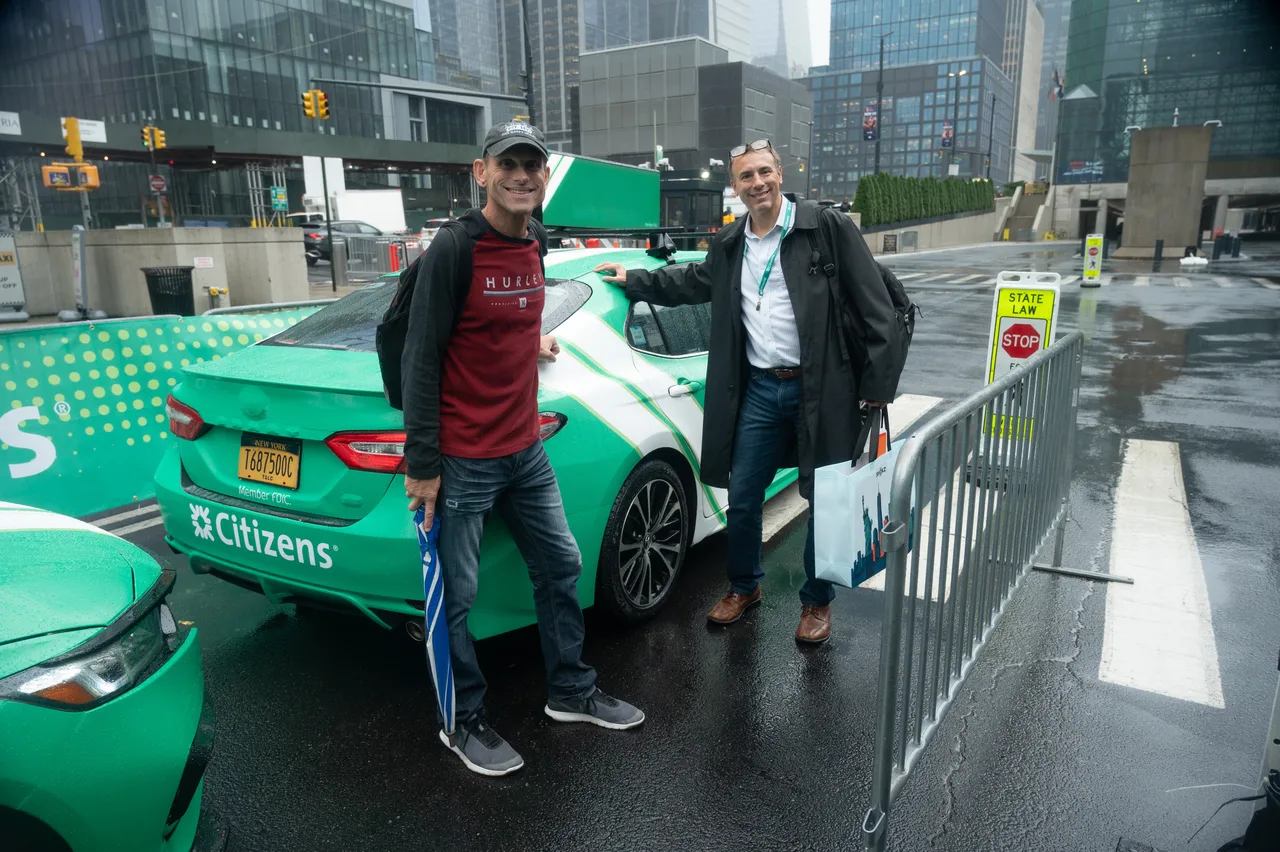
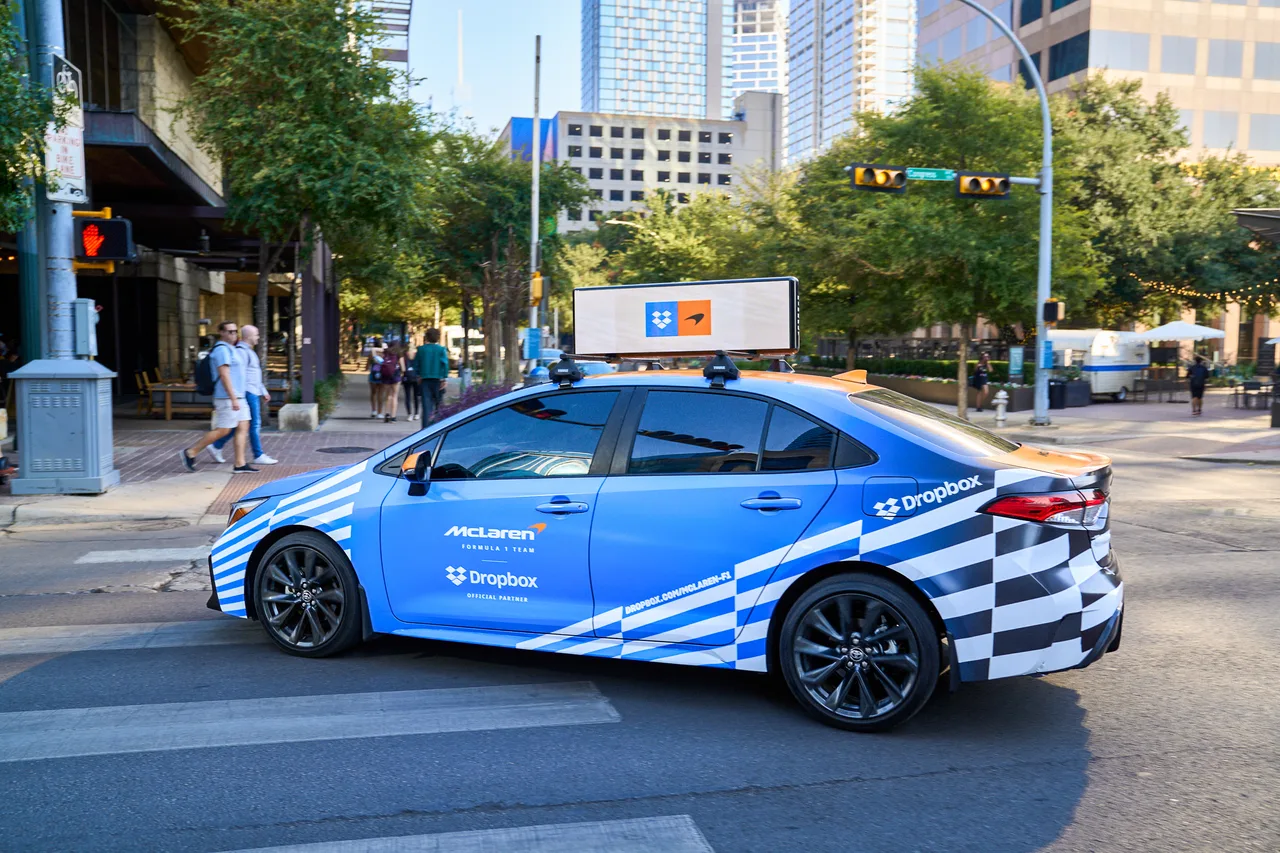
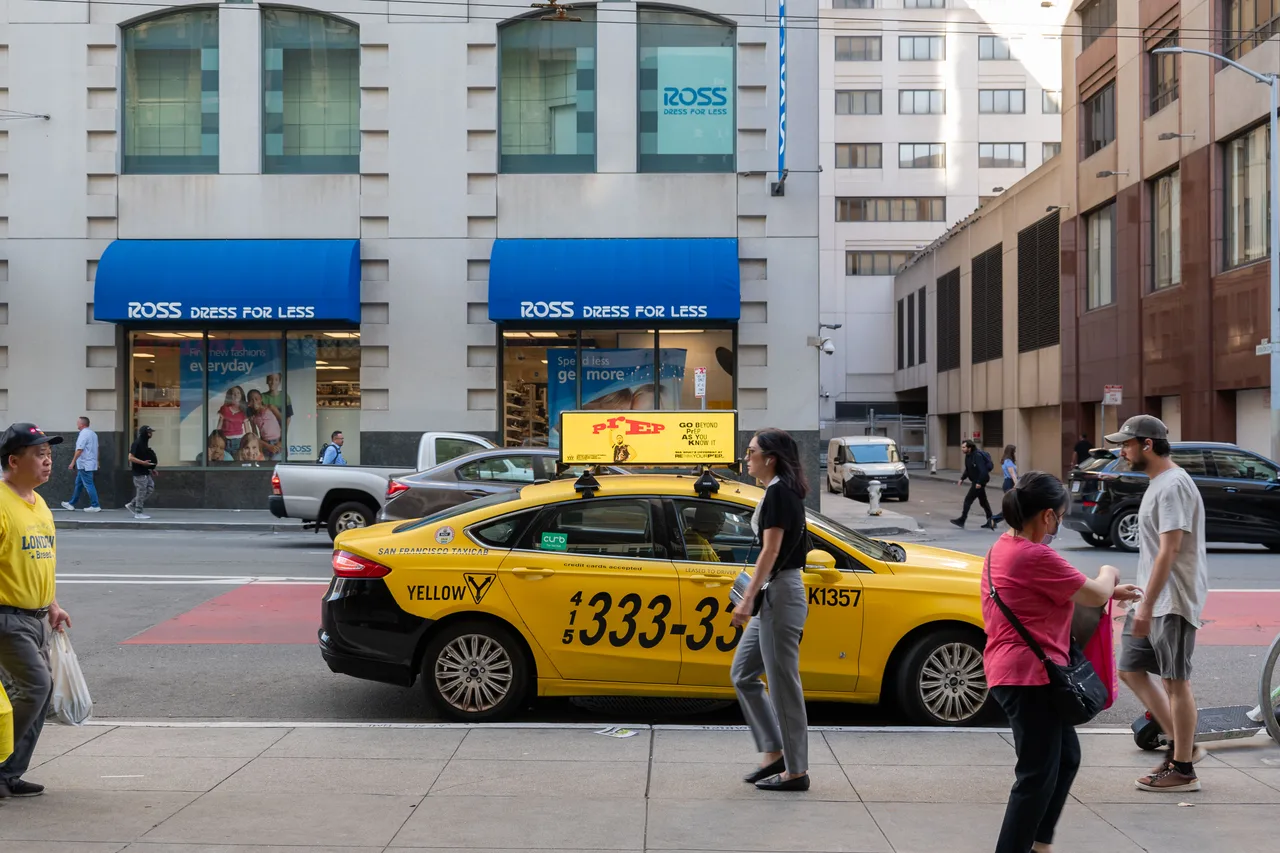
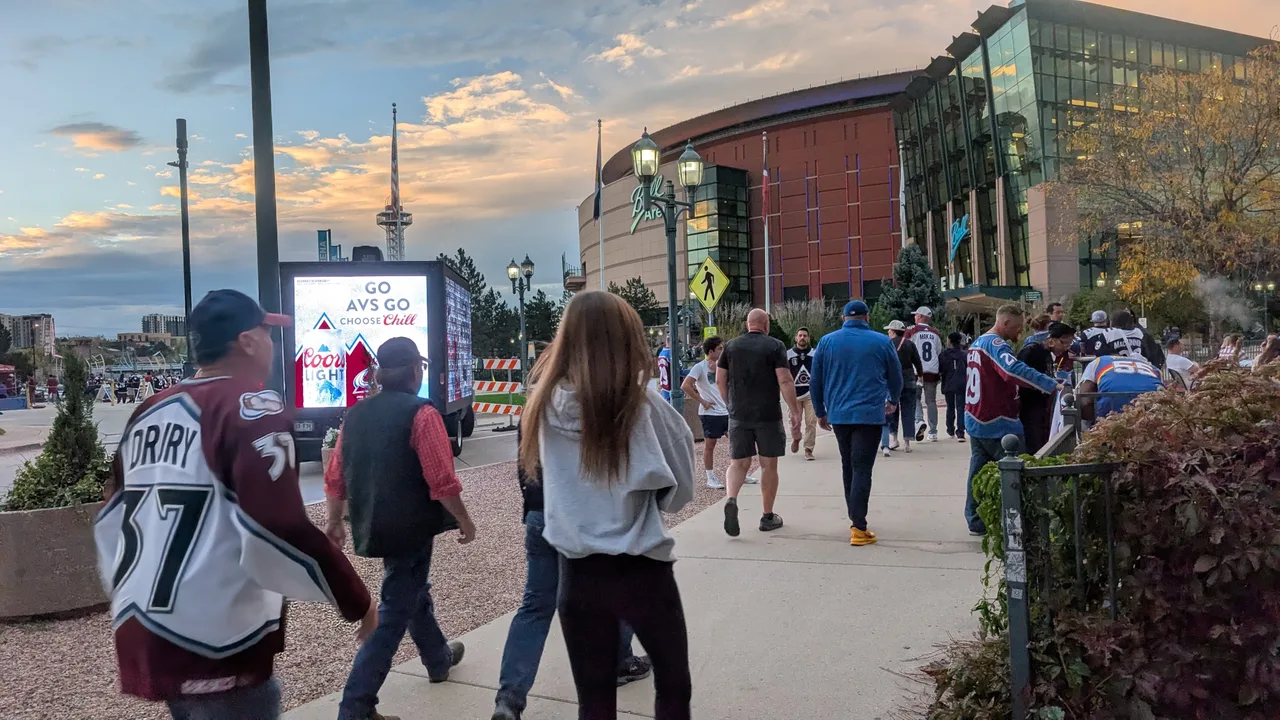
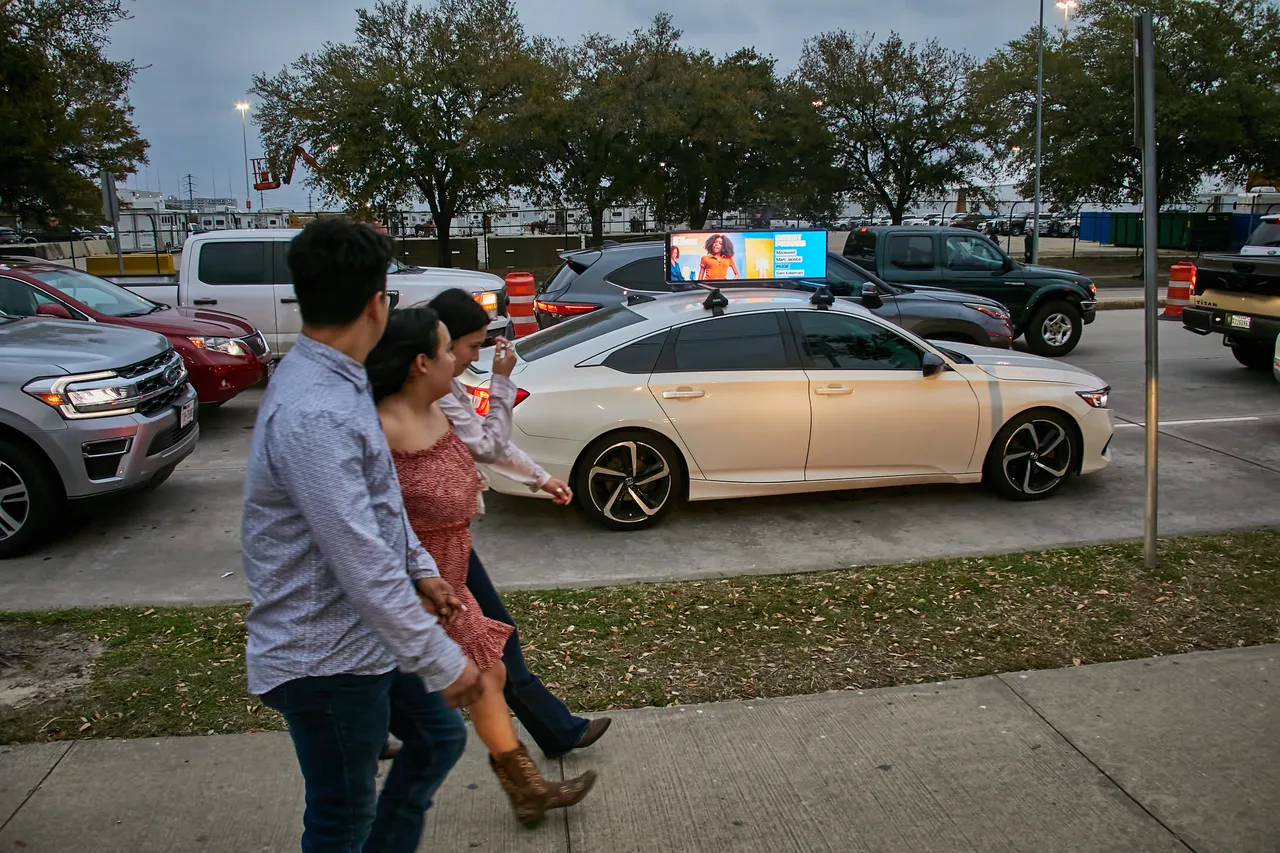
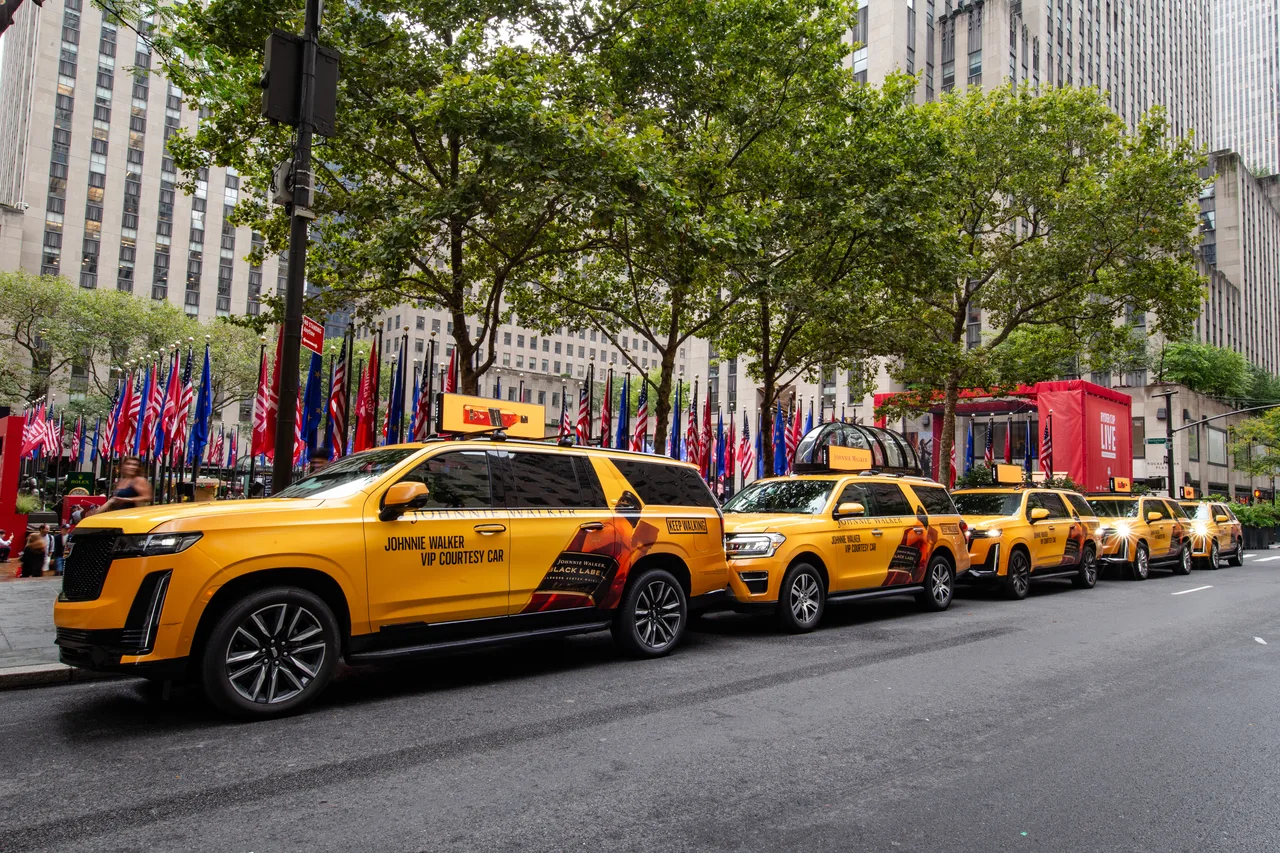
The 49 campaigns shown across this site were drawn at random from the archive, one per brand. They run in Atlanta, Austin, Denver, Houston, Las Vegas, Los Angeles, Miami, New Orleans, New York, Phoenix, San Francisco, San Jose, Santa Clara and Washington DC, across 12 formats: 360 wrap, 3D hologram truck, Digital top, Food truck, Glass truck, In-car screen, LED truck, Mobile billboard truck, Pedicab, Static top, Swarm and Wrap. Brands include Adobe, Stripe, Coca-Cola, Google Cloud, Dropbox, YSL, British Airways, Bloomingdale's, Lancôme, GSK, JD Sports and HOKA.
They are not interchangeable. A wrap and a digital top reach the same street and answer completely different briefs.
Dual-sided LED screens on the roof. Creative rotates by daypart or GPS zone, so one campaign can run three messages across three neighbourhoods on the same night.
Vinyl across the body of the car. No screen, no power draw, maximum surface. The format brands reach for when the vehicle itself should read as the ad.
A full-size digital billboard that drives. Sized for event perimeters, stadium approaches, and launches where a static board would sit in the wrong place.
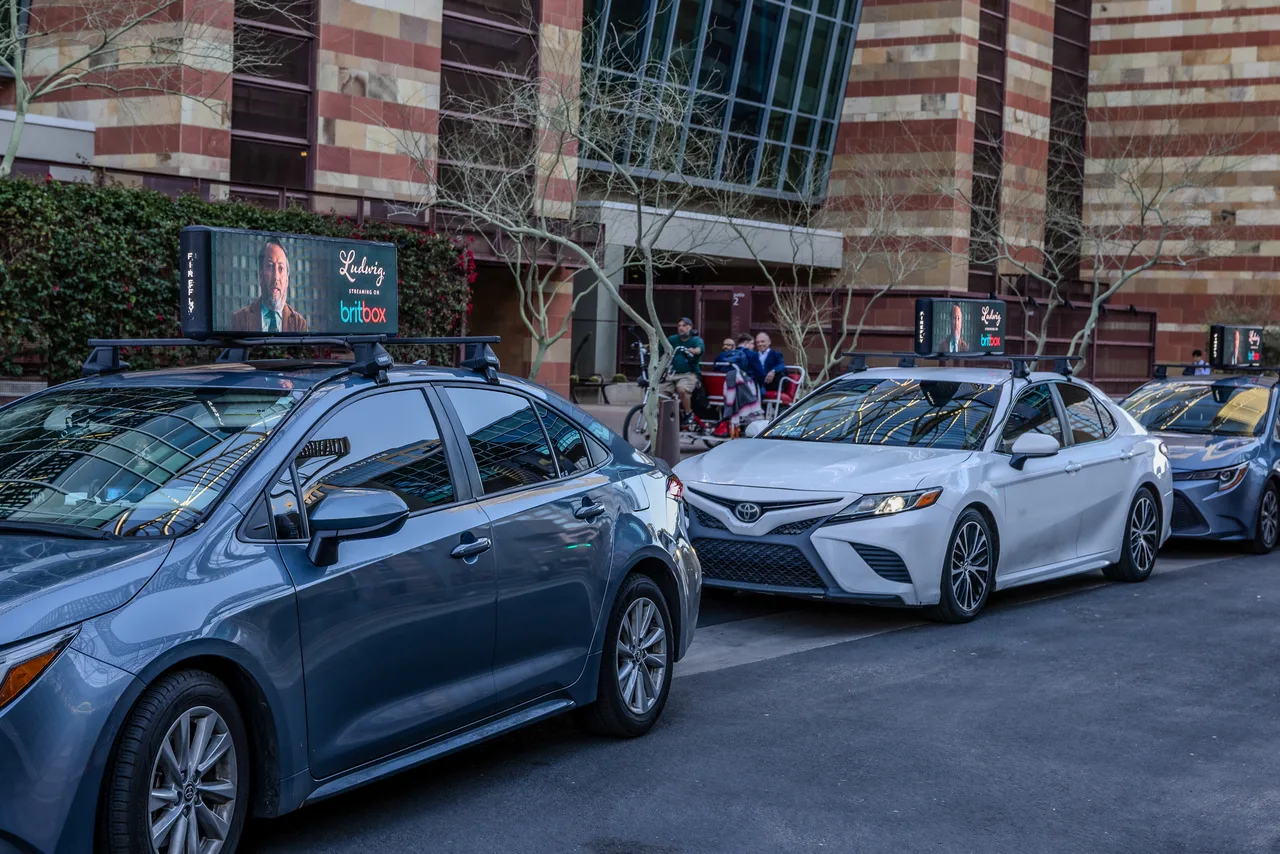
A coordinated fleet running the same creative through one market at once. Frequency built out of repetition across a city rather than one heavily trafficked corner.
Who sells them: Firefly for digital and static tops, wraps and swarms on one taxi and rideshare network, with LED truckson the same network; SOMO and NY Taxi Ads for digital tops in New York; Wrapify and Carvertise for wraps on enrolled drivers' cars; Billboard Express for trucks by the shift.
Compare all 21 formats side by sideA billboard reaches whoever passes one intersection. A vehicle fleet runs the corridors, neighbourhoods, and venues you name, and moves when the campaign moves.
GPS logs every mile and dwell point. You get route data and impression modelling built on department of transportation traffic counts, not an estimate written before the campaign started.
Digital formats swap creative remotely, by daypart or by zone. A printed billboard takes weeks to change. This takes minutes.
Brand lift studies compare exposed and control audiences in your campaign geography. The numbers above came out of exactly that kind of study.
Every page is written and reviewed by Melih Koray, who traces each figure to a named, dated source and checks each caption against the photograph. How the figures are sourced, what the site refuses to publish and the commercial relationships behind it are set out on the about page.
Coca-Cola, Adobe, Stripe, Shopify, Target, YSL, FIFA and 596 more
Every frame a live campaign, not a render
New York, Chicago, LA, San Francisco, Las Vegas and 16 more
Digital tops, wraps, swarms, LED trucks, in-car, hologram
Carvertise and Wrapify wrap drivers' own rideshare cars; Firefly runs a digital-top network in 15 markets. Formats, markets and minimums compared.
Mobile billboard cost per hour, day, week and month from five publishers: printed vs LED trucks, minimums, what a rate excludes and where pages contradict.
LED billboard truck cost per hour and day from five published rate pages, the screen spec behind the price, night and event surcharges, multi-truck rates.
Advertisers, agencies and partners: say which market and which dates, and a person replies with the formats that fit. No rate card exists; every number on this site is a published third-party figure.
It goes to a monitored queue, not an autoresponder. A person reads it and replies in writing.
Name the market, the dates and the format you have in mind. A person replies in writing with a range and the formats that fit. Your enquiry may be forwarded to the out-of-home operator this site works with.