Mobile Marketing Tours: How a Branded Vehicle Tour Is Built, Routed and Measured
Mobile marketing tours for brands: build or lease the branded vehicle, route and permit each stop, staff it, follow commercial vehicle rules, count visitors.
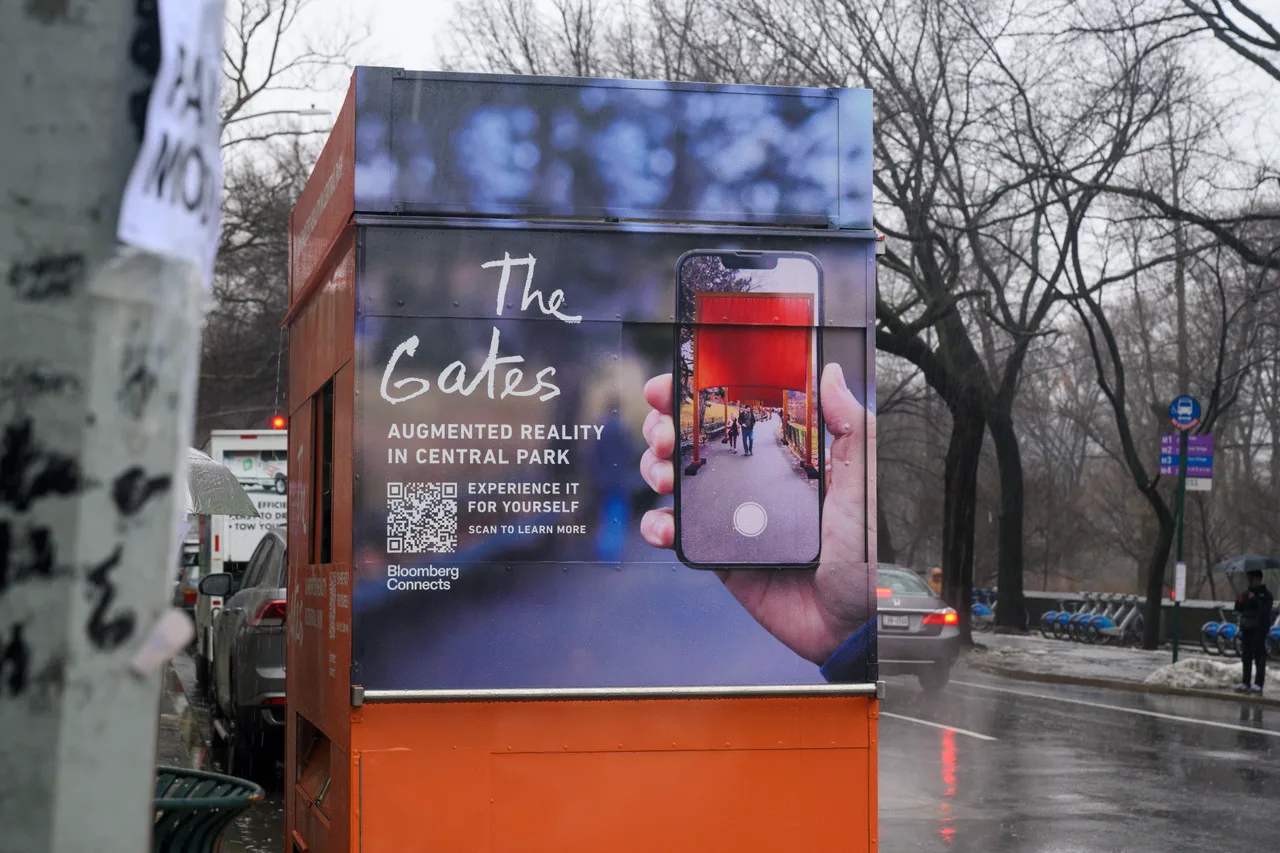
A mobile marketing tour takes a branded vehicle, such as a wrapped truck, a sampling trailer or a walk-in showroom, from stop to stop, parking where the audience already is. A working tour combines four things: a built or leased vehicle, a route with permission at every stop, a staff team and a way to count visitors.
This guide is for a brand or agency deciding whether to take a product on the road. It covers the vehicle choice, the route, the rules a commercial vehicle carries with it, who builds and who runs a tour, and what to measure. Company details come from each company's own site, with the date it was read.
Disclosure: the editor of this site works at Firefly, one of the companies named below. Companies are listed alphabetically, not ranked, and the one link to Firefly on this page is marked sponsored.
What Is a Mobile Marketing Tour?
It is a campaign built around one or more branded vehicles that visit a series of places, usually over weeks, with something to do at each stop: sample a product, try a device, see an exhibit, collect a gift. Factory360, an agency that runs them, defines a mobile tour on its mobile tours page as "designing a branded vehicle, truck, or trailer and taking it on the road", which is a fair one-line summary.
A tour differs from a mobile billboard in what happens when the vehicle stops. A billboard truck is bought for the drive and the route; a tour vehicle is bought for the stop, and the drive between stops is mostly logistics. That is why tours are planned like events and budgeted like productions, while trucks are bought by the hour. The LED truck guide covers the drive-time format.
Which Branded Vehicle Should a Tour Use?
The vehicle follows what visitors do at the stop. Four types cover most tours:
- Sampling trucks and food trucks serve food or drink through a window. They suit consumer products that need tasting, and they need kitchen or refrigeration fit-out and the health permits that come with it.
- Walk-in showrooms and glass trucks let people step inside or see the product through glass. They suit beauty, devices and launches, and need staff at the door to manage the queue.
- Branded vans and cars carry staff and kit between smaller stops, such as campuses or retail car parks, and act as a moving billboard on the way.
- Trailers and expandable units unfold into a stage or exhibit at larger events, and need space and towing.
The campaign archive shows several of these photographed on the street, including the walk-in truck and the food truck on this page.
Build, Lease or Rent the Vehicle?
Three routes, decided by how long the tour runs and how custom the unit is. A builder fabricates or converts a vehicle that the brand then owns or leases: Craftsmen Industries of St. Charles, Missouri, describes "nearly 40 years" of designing and building experiential marketing vehicles and offers to "buy new, lease short-term for a campaign, or upgrade existing trailers", per its experiential page read on 14 September 2026. An operator rents its own branded units by the day or the run. A marketplace sources an existing vehicle and wraps it, which is quickest for food trucks.
A short tour of a few weeks rarely justifies a custom build; a season-long tour, or one that repeats next year, often does. Ask any builder for the delivery date in writing, because a late vehicle moves every permit on the route.
What Rules Does a Tour Vehicle Carry?
More than a wrapped car. A truck heavy enough to count as a commercial motor vehicle in interstate commerce must show the operator's name and USDOT number on both sides, legible from 50 feet in daylight, under 49 CFR 390.21, which the commercial vehicle wraps guide covers in detail; the wrap design has to leave room for it. Parking is local: Los Angeles, for example, regulates mobile billboard advertising displays parked on public streets under Municipal Code section 87.53. Sampling food or drink adds health permits, and each stop on private land needs the owner's written permission. Build the permit list stop by stop before the route is final.
Who Runs Mobile Marketing Tours?
Agencies plan and manage them; builders make the vehicles; operators run the units; staffing companies supply the people. Four companies that publish what they do, in alphabetical order:
- Craftsmen Industries builds, sells and leases experiential vehicles, from "mobile museums and guerrilla marketing vehicles to kitchen and sampling units", with in-house engineering and fabrication, per its experiential page read on 14 September 2026. It does not run tours itself.
- Factory360, with teams in New York and Miami, lists mobile tours alongside pop-ups, sampling and events, and names a Grubhub college tour among its work, per its site read on 14 September 2026. It does not say it owns vehicles.
- Firefly lists LED digital trucks, glass trucks, 3D hologram trucks and branded food trucks on its experiential page, and vehicle build-outs and brand ambassadors on its around-car page, read on 23 October 2026. It does not state whether it owns the trucks.
- RMNG, Roaming Hunger's experiential arm, gives brands access to "thousands of food trucks, trailers, carts, and more", and will source, design and wrap the vehicle and staff it, per its experiential page read on 14 September 2026.
The scored list of experiential marketing companies scores these and eight others on what they own and publish.
How Do You Measure a Mobile Marketing Tour?
At the stop. A tour produces countable events: visitors through the door, samples served against stock used, demos given, sign-ups captured, codes or QR scans redeemed. Count them per stop and per hour, so that weak stops can be dropped from the next leg. Photographs and the vehicle's GPS log prove the tour ran where and when it was paid for. Impression estimates for the drive between stops are the weakest number in any tour report; the results page explains how this site separates a measured result from a quoted one.
Frequently Asked Questions
What is a mobile marketing tour?
A mobile marketing tour is a campaign in which one or more branded vehicles travel to a series of stops, such as campuses, festivals or retail sites, and offer something at each one: a sample, a demo, an exhibit or a gift. The vehicle is bought for what happens at the stop rather than for the drive.
What kind of vehicle is used for a mobile tour?
It depends on what visitors do. Sampling uses food trucks or refrigerated units, product launches use walk-in showrooms or glass trucks, smaller stops use branded vans, and large events use trailers that unfold into a stage or exhibit. Builders such as Craftsmen Industries make and lease custom units.
Should a brand build, lease or rent a tour vehicle?
For a tour of a few weeks, renting or leasing an existing unit is usually enough. For a season-long or repeating tour, a custom build can pay back. Craftsmen Industries, for example, offers to sell, lease short-term for a campaign or upgrade existing trailers, per its own site.
What permits does a mobile marketing tour need?
Usually several per stop. Commercial trucks in interstate commerce must show the operator's name and USDOT number on both sides under 49 CFR 390.21, parking rules are local, food or drink sampling needs health permits, and private sites need the owner's written permission. Build the list stop by stop.
How is a mobile marketing tour measured?
By what happens at each stop: visitors, samples served, demos, sign-ups and code or QR redemptions, counted per stop and per hour. Photographs and GPS logs prove the vehicle was where it was paid to be. Impression estimates for the drive between stops are the least reliable figure.
What is the difference between a mobile tour and a mobile billboard?
A mobile billboard truck is bought for the drive: it carries an ad along a route and is priced by the hour or day. A mobile tour vehicle is bought for the stop: people interact with it, so it is planned like an event, with staff, permits and fit-out, and budgeted like a production.
Before you plan a tour
Four answers decide the vehicle, the budget and who you need to call.
- What visitors do at each stop: taste, try, step inside or collect
- How many stops, over how many weeks, in which cities
- Build, lease or rent the vehicle, and the date you need it
- What gets counted at each stop, and who reports it
Sources
- Craftsmen Industries, Experiential Marketing, read 14 September 2026. craftsmenind.com
- Factory360, About and Experiential Marketing Mobile Tours pages, read 14 September 2026. factory360.com
- Firefly, Experiential Advertising and Around-Car Advertising product pages, read 23 October 2026. fireflyon.com
- RMNG (Roaming Hunger), Experiential Marketing Agency page, read 14 September 2026. roaminghunger.com
- Federal Motor Carrier Safety Administration, 49 CFR 390.21, Marking of self-propelled CMVs and intermodal equipment. ecfr.gov
- Los Angeles Municipal Code, Section 87.53, Regulation of Mobile Billboard Advertising Displays, read 14 September 2026. codelibrary.amlegal.com
Written by
Melih Koray works on vehicle-based out-of-home campaigns, from taxi tops to LED trucks, and edits this site. He traces each figure to a dated source, reads every caption against its photograph, and leaves out any number he cannot trace and any operator's rate card.