Street Team Marketing: How Vehicle-Led Street Teams Are Planned, Staffed and Measured
Street team marketing for brands: what a vehicle-led street team is, who supplies the people and the vehicles, how a day is planned and what to count.
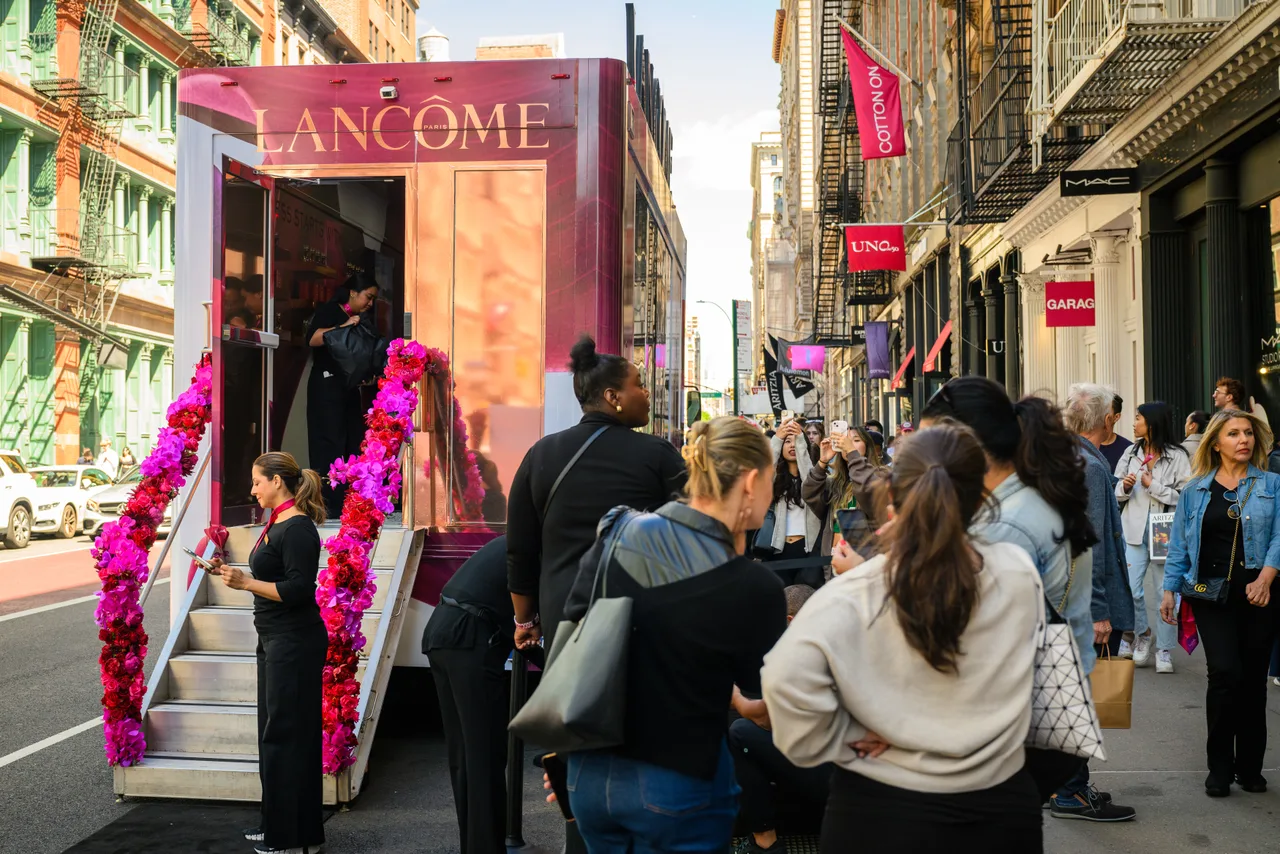
Street team marketing sends trained brand ambassadors into busy streets to hand out samples, start conversations and send people somewhere specific. The vehicle-led version pairs that team with something on wheels, such as a wrapped car swarm, a branded truck or a free-ride program, so the street sees the brand moving and then meets someone who can talk about it.
This guide is for a brand or agency planning street-level activity in one or more cities. It covers what a vehicle-led street team is, who supplies the people and who supplies the vehicles, how a day is planned and what can honestly be counted. Company details come from each company's own site, with the date it was read.
Disclosure: the editor of this site works at Firefly, one of the companies named below. Companies are listed alphabetically, not ranked, and the one link to Firefly on this page is marked sponsored.
What Is Street Team Marketing?
A street team is a group of people working public space for a brand: sampling a drink outside a station, handing out cards before a concert, inviting passers-by into a pop-up. The term overlaps with street marketing, which covers any brand activity aimed at people on foot, and with guerrilla marketing, which leans on surprise. What separates a street team from a poster is the conversation. A person can answer a question, hand over a sample and point to a door; a printed surface cannot.
A vehicle-led street team adds a moving or parked unit that does the attracting while the team does the talking. The vehicle can be a line of wrapped cars driving a fixed loop, a branded truck parked at a venue, a walk-in showroom on a shopping street, or a free-ride program in which branded cars or pedicabs carry people between two points. The guerrilla marketing examples on this site show where the surprise version of this sits.
Why Put a Vehicle Behind a Street Team?
Three reasons, each about the limits of people on foot. First, reach: a team of four covers one corner, while a group of cars carrying the same creative covers a district, and the people the team then meets have usually already seen the brand go past. Second, a meeting point: a parked truck or showroom gives the team somewhere to send people, which turns a hand-out into a visit that can be counted. Third, kit: samples, chilled stock, screens and seating need a vehicle anyway.
The trade-off is permission. A team on a public sidewalk and a vehicle parked at the kerb fall under different rules, and both vary by city. In Los Angeles, for example, the Municipal Code's section 87.53 regulates mobile billboard advertising displays parked on public streets, which is cited with the other city rules on the event advertising guide. Get the operator and the staffing company to confirm in writing where each is allowed to stand and to park.
Who Supplies the People and the Vehicles?
Usually two different companies, sometimes one. Staffing companies supply trained people by the shift; vehicle operators supply the units; agencies plan the activation and subcontract both. Four companies that publish what they supply, in alphabetical order:
- ATN Event Staffing describes itself as a nationwide event staffing agency supplying brand ambassadors, trade show staff, promotional models and street teams since 2002, per its homepage, read on 14 September 2026. It staffs activations rather than producing them, and lists no vehicles.
- Firefly lists brand ambassadors who "distribute, educate, promote and deliver a concierge product experience" alongside coordinated swarms, complimentary rides and vehicle build-outs on its taxi and rideshare network, per its around-car page read on 23 October 2026. It is the vehicle side with people attached.
- PUSH Agency, with offices in Tempe and Las Vegas, lists brand ambassadors, product demonstration staff, promotions staffing and field marketing managers, plus planning and fulfilment, per its site, read on 14 September 2026.
- RMNG, the experiential arm of Roaming Hunger, sources food trucks, trailers and carts and supplies field staffing and brand ambassadors with them, per its experiential page, read on 14 September 2026. The vehicles come from its vendor network rather than a fleet of its own.
The experiential marketing agencies guide maps these roles in more detail, and the scored list of experiential marketing companies scores twelve of them on what they own and publish.
How Do You Plan a Vehicle-Led Street Team Day?
Start from the place, not the vehicle. Pick the blocks or the venue perimeter where the audience already gathers, and the hours when it is there; a station exit at 8am and a stadium approach two hours before kick-off are different jobs. Then decide what the vehicle does in that place: drive a loop to build awareness before the team arrives, park as the meeting point, or carry people as a free ride.
Next, size the team to the hand-out. A sampling day is limited by how fast people can be served, so the number of staff follows the stock and the hours, not the other way round. Agree the script: what the team says in ten seconds, what it gives, and where it sends people. Finally, agree the proof before the day: shift times, photographs at each location, the GPS log for any vehicle, and the counts you want back. The mobile billboard strategy guide covers route planning for the vehicle side in more depth.
How Is a Street Team Priced?
As two lines that should be quoted separately. Staffing is sold per person per hour or per shift, usually with a management fee on top, and with minimum shift lengths. Vehicles are sold per unit per hour or per day for trucks and per four-week period for wrapped cars, with production on top. None of the staffing companies above publishes a rate, so ask for both lines itemised, and ask whether travel, training time and stock handling are inside the hourly figure. For published vehicle rates, the mobile billboard and LED truck cost page compares five publishers.
What Can You Measure From a Street Team?
Contacts, not impressions. A street team produces numbers that can be checked on the day: samples handed out against stock used, conversations logged, sign-ups or codes captured, visits to a parked unit counted at the door. Those are the figures to ask for, with photographs and shift times as proof. Impression estimates for people on foot rest on assumptions about passing traffic, so treat them as the weakest number in any report. The results page explains how this site separates a measured result from a quoted one.
Frequently Asked Questions
What is street team marketing?
Street team marketing is brand activity carried out by trained people in public space: sampling, handing out cards, inviting people into a pop-up or answering questions. Its strength is the conversation, which no printed surface can have. A vehicle-led street team adds a wrapped car swarm, a truck or a free-ride program to draw people in.
What is the difference between street marketing and guerrilla marketing?
Street marketing covers any brand activity aimed at people on foot, from sampling to pop-ups. Guerrilla marketing is the subset that relies on surprise or an unexpected use of a space. A planned sampling team outside a station is street marketing; an unannounced installation that stops people in their tracks is guerrilla marketing.
Who supplies brand ambassadors for a street team?
Staffing companies such as ATN Event Staffing and PUSH Agency supply trained brand ambassadors by the shift, per their own sites. Some vehicle operators supply people with their units, such as RMNG with food trucks and Firefly with its swarms and free rides. Agencies usually subcontract the people from one of these.
How much does a street team cost?
No staffing company named here publishes a rate. Staffing is quoted per person per hour or per shift, normally with a management fee and a minimum shift length, and vehicles are quoted separately by the hour, day or four-week period. Ask for both lines itemised, including travel, training and stock handling.
Do you need a permit for a street team?
Often, and the rules differ by city and by activity. Handing out samples on a sidewalk, setting up a table and parking a branded vehicle at the kerb can each fall under different rules. Los Angeles, for example, regulates parked mobile billboard displays under Municipal Code section 87.53. Get written confirmation from the operator.
How do you measure a street team campaign?
Count what happens on the day: samples given against stock used, conversations, sign-ups or codes captured, and visits to a parked unit. Ask for photographs and shift times as proof, and GPS logs for any vehicle. Treat impression estimates for foot traffic as the least reliable number in the report.
Before you brief a street team
Settle these and the staffing quote and the vehicle quote will fit together.
- The blocks or the venue, and the hours the audience is actually there
- What the vehicle does: drive a loop, park as the meeting point, or give rides
- What the team hands out, and how much stock that means per hour
- The counts you want back, and who signs them off
Sources
- ATN Event Staffing, homepage, read 14 September 2026. atneventstaffing.com
- Firefly, Around-Car Advertising product page, read 23 October 2026. fireflyon.com
- PUSH Agency, homepage and services, read 14 September 2026. pushmodels.com
- RMNG (Roaming Hunger), Experiential Marketing Agency page, read 14 September 2026. roaminghunger.com
- Los Angeles Municipal Code, Section 87.53, Regulation of Mobile Billboard Advertising Displays, read 14 September 2026. codelibrary.amlegal.com
Written by
Melih Koray works on vehicle-based out-of-home campaigns, from taxi tops to LED trucks, and edits this site. He traces each figure to a dated source, reads every caption against its photograph, and leaves out any number he cannot trace and any operator's rate card.