Vehicle Wrap Advertising: Cost, ROI and Fleet Van Wraps
A vehicle wrap is a one-off production cost, not monthly rent. Published guides put a full wrap at $1,500 to $3,500 per vehicle; what the research shows.
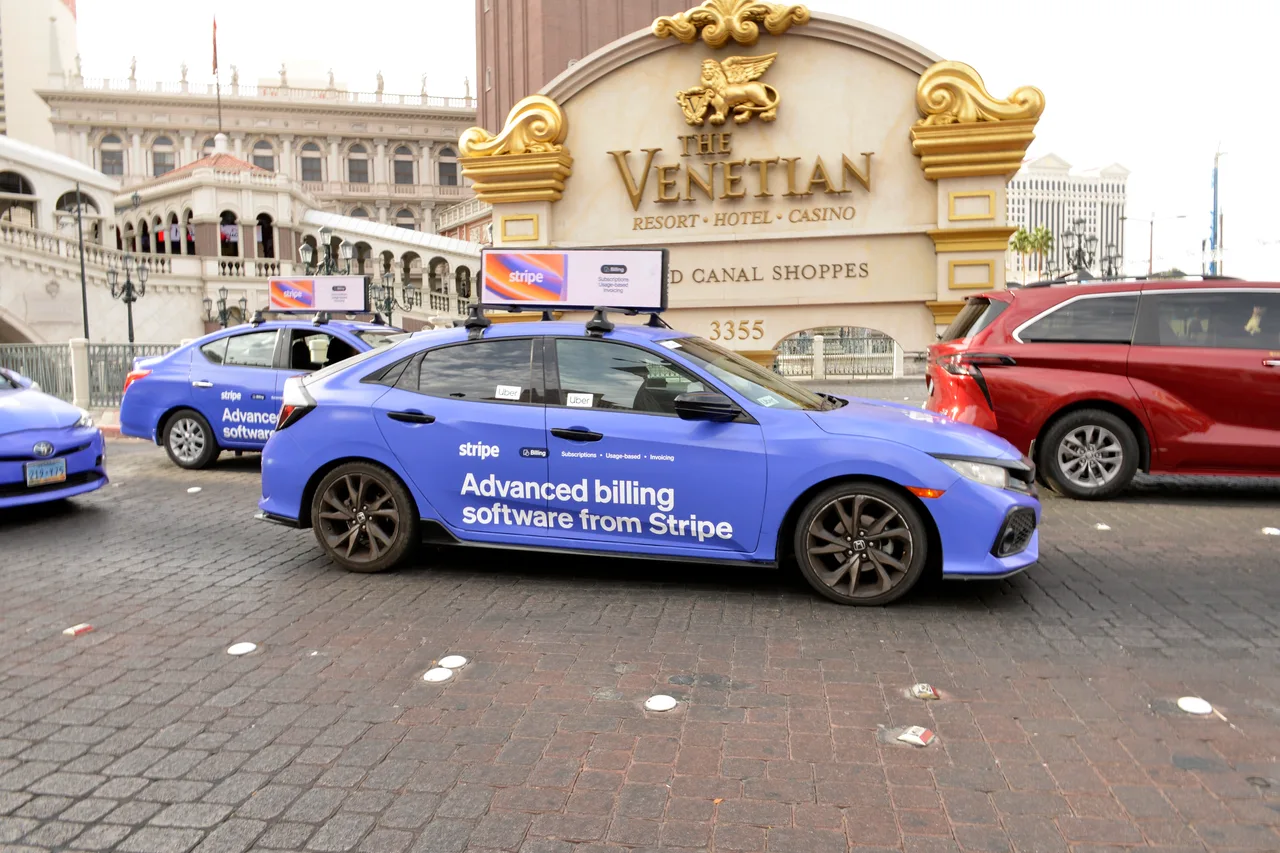
Vehicle wrap advertising prints a brand message on cast vinyl and applies it to a car, van or truck. The cost is a one-off production fee, not monthly rent: AdQuick's published guide (retrieved September 2026) lists a full wrap at $1,500 to $3,500 per vehicle and a partial wrap at $800 to $1,800.
Those figures are for wrap campaigns run on drivers' cars through a marketplace, read off AdQuick's car wrap advertising page on 14 September 2026. A wrap shop pricing your own company van works differently and quotes per job. Both cases are covered below, and every number carries its publisher and the date it was read.
What Is Vehicle Wrap Advertising?
A wrap is large-format vinyl, printed with your logo, message and imagery, applied to the exterior panels of a vehicle. The film is a cast vinyl made for automotive use; it conforms to curves, handles and body lines without damaging the paint underneath, and comes off cleanly when the campaign ends. A professional installation takes a day or more depending on the vehicle and the coverage.
Half of American adults say they notice the format. In the OAAA and Morning Consult Out of Home Advertising Study (1,461 US adults aged 18 to 64, fielded 10 to 15 November 2022, published March 2023), 49 percent said they had noticed advertising on a wrapped vehicle or other vehicle signage in the previous 30 days. Billboards scored 69 percent, the side of a public bus 47 percent, mobile billboards 36 percent.
As an advertising buy, wraps are sold by Firefly as full (360), partial (270) and door (180) wraps on taxi and rideshare vehicles, with or without a digital top, and by the driver marketplaces Wrapify and Carvertise on enrolled drivers' cars; the campaign archive has them photographed running on real streets. How the wrap family trades against tops, LED trucks and swarms is laid out in the format comparison.
Full Wrap, Partial Wrap or Decals?
Three coverage levels exist, and each serves a different budget and visual job.
Full wraps cover the whole vehicle: hood, roof, doors, bumpers and rear. They give complete creative freedom and the most visual impact, and they are the right choice when the vehicle's factory color clashes with the brand palette.
Partial wraps cover the panels that do the work, usually the sides and rear, and leave the rest in factory color. The saving comes off both material and installation time. A white van with a well-designed partial wrap on the sides and rear reads nearly as finished as a full wrap from across a street.
Decals and spot graphics are cut-vinyl elements: a logo, a phone number, a web address, a tagline. They are quick to install and cheap, and they lack stopping power. They suit a service business that needs identification rather than a marketing presence.
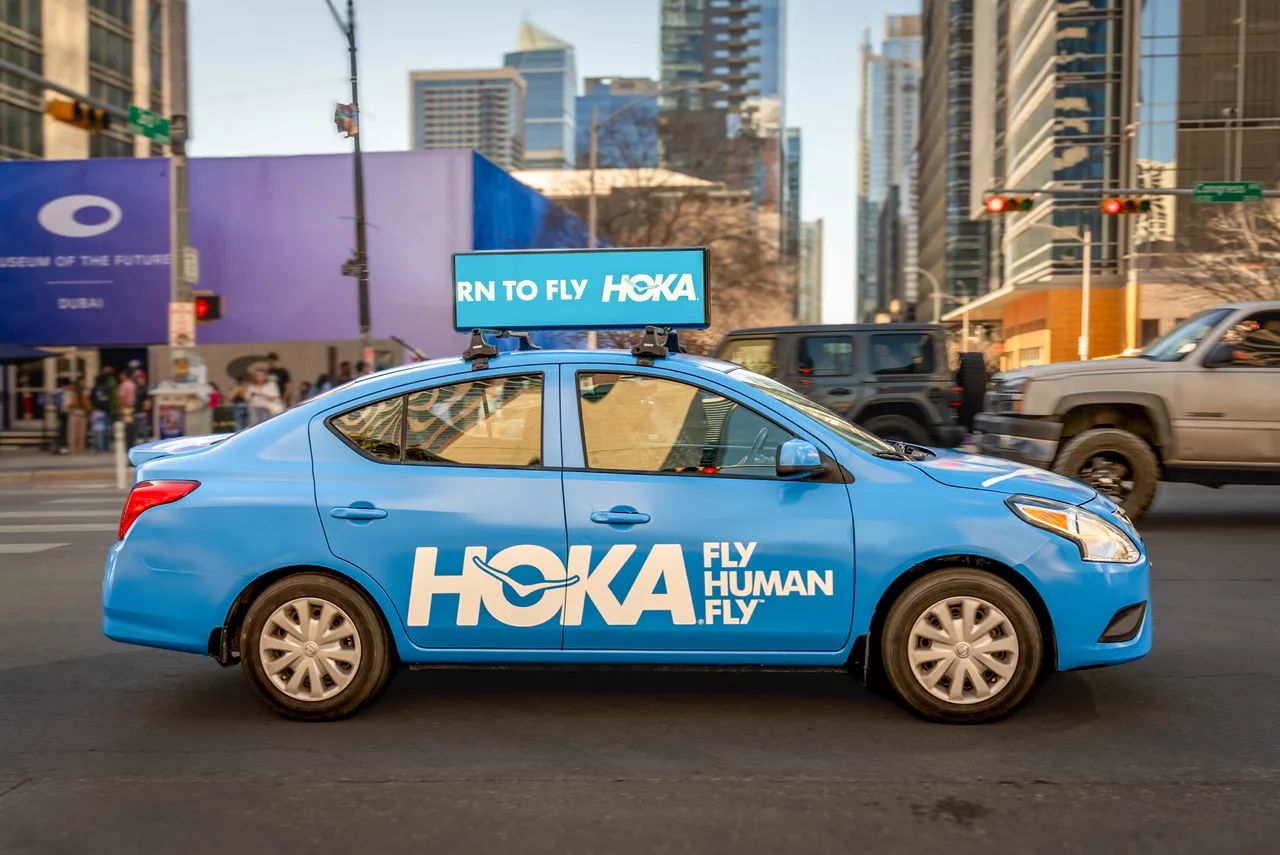
How Much Does Vehicle Wrap Advertising Cost?
The ranges below are market-level figures compiled from publicly published vendor and industry sources. They are not quotes, and they are not the rates of any single network. Always get a written quote before budgeting.
| Coverage | Published range | Unit, as published | Publisher, retrieved |
|---|---|---|---|
| Full wrap | $1,500–$3,500 | average cost per vehicle, campaign on drivers' cars | AdQuick, 14 September 2026 |
| Partial wrap | $800–$1,800 | average cost per vehicle, campaign on drivers' cars | AdQuick, 14 September 2026 |
| Rear window only | $150–$400 | average cost per vehicle, campaign on drivers' cars | AdQuick, 14 September 2026 |
| Rideshare full wrap | $800–$1,500 | per display, per four-week period | Blue Line Media rate card, 14 September 2026 |
| Shop-installed wrap, your own vehicle | "$1,000 and up" | per vehicle, quoted per job | Wrapmate van wraps page, 14 September 2026 |
AdQuick notes that its costs vary by market, campaign duration and vehicle volume, and states no methodology. Blue Line Media is a reseller with a $5,000 minimum per market. Wrapmate is an installer marketplace; its page gives no breakdown by van size.
Read the units before comparing rows. The AdQuick figures are for a campaign where the network recruits the cars; the Blue Line figure is media rent per four weeks on a rideshare vehicle; a wrap shop quoting your own Sprinter or Transit is pricing material and labor once. Larger vans and box trucks cost more than a sedan for the plain reason that there is more surface to print and more curve to fit.
Lifespan is a material question and the honest answer comes from the film maker, not the industry. Premium cast films from 3M, Avery Dennison and ORAFOL carry a published durability rating for the specific product and finish you are buying. Ask the shop which product line it is quoting and read that rating; a calendered film on a curved panel will not last anything like a cast one. Wrapmate's page says professionally applied wraps "typically last for 5-7 years", and SpeedPro warranties its wraps for three years on factory paint (both retrieved 14 September 2026); treat both as what those two sellers state, not as industry norms.
The economics of a wrap come from amortization: one production cost spread across every day the vehicle drives, with no recurring media rent. That is a different structure from a leased board. The per-impression figure it produces depends entirely on how impressions are counted, which is why the CPMs quoted for this format vary by more than an order of magnitude.
What Is the ROI of a Vehicle Wrap?
Start with what a named study actually measured, and with the base it measured it on. The OAAA and Morning Consult study established that 49 percent of adults noticed vehicle signage in the past 30 days. It also asked a narrower question: among the 440 adults who had recently noticed an out-of-home ad that gave them directions to a specific store, business or restaurant, 43 percent visited within 30 minutes of seeing it, and among the 187 who did, 78 percent made a purchase the last time. The margins of error on those two subgroups are plus or minus 5 and 7 points respectively, and the base is directional ads of any OOH format, not wraps specifically.
Note what that does and does not tell you. It shows the format is seen and that directional out-of-home converts to visits. It does not give you a per-vehicle impression count, and no credible published figure does; the daily impression ranges quoted across this industry are modeling outputs with no method attached.
For campaign-level evidence, look for third-party attribution rather than a vendor's own estimate. Firefly, an out-of-home company that sells wraps, swarms and digital tops, publishes studies of this kind: a brand lift study measured by LoopMe recorded a 44 percent lift in brand recall and an 85 percent lift in purchase intent against a matched control, and a separate study measured by Foursquare recorded a 9.31 percent behavioral lift in footfall for a convenience store chain. Whoever you buy from, that is the standard: a named measurement partner, a control group, a published method.
How Should a Wrap Be Designed?
A wrap competes with everything else on the road, and the reader has a few seconds. Lamar's outdoor design tips put typical exposure at four to five seconds and headline copy at seven words or less; both apply to a moving panel at least as much as to a fixed one.
Contrast first. Dark type on a light ground or light type on a saturated color. Gray text on a silver van disappears.
Seven words, one next step. Brand name, one benefit or tagline, one contact route. A QR code earns its place only where the vehicle regularly parks or idles among pedestrians; on a highway commuter car it is decoration.
Design to the vehicle, not to a rectangle. Work from the exact template for the make and model, keep critical elements clear of door seams and handles, and use the hood and wheel arches as shapes rather than obstacles.
Do Fleet Wraps Pay Off?
For businesses with several vehicles, each additional wrap adds coverage in a different part of the market at no additional media rent. That is the one place in out-of-home where scale compounds rather than just adds.
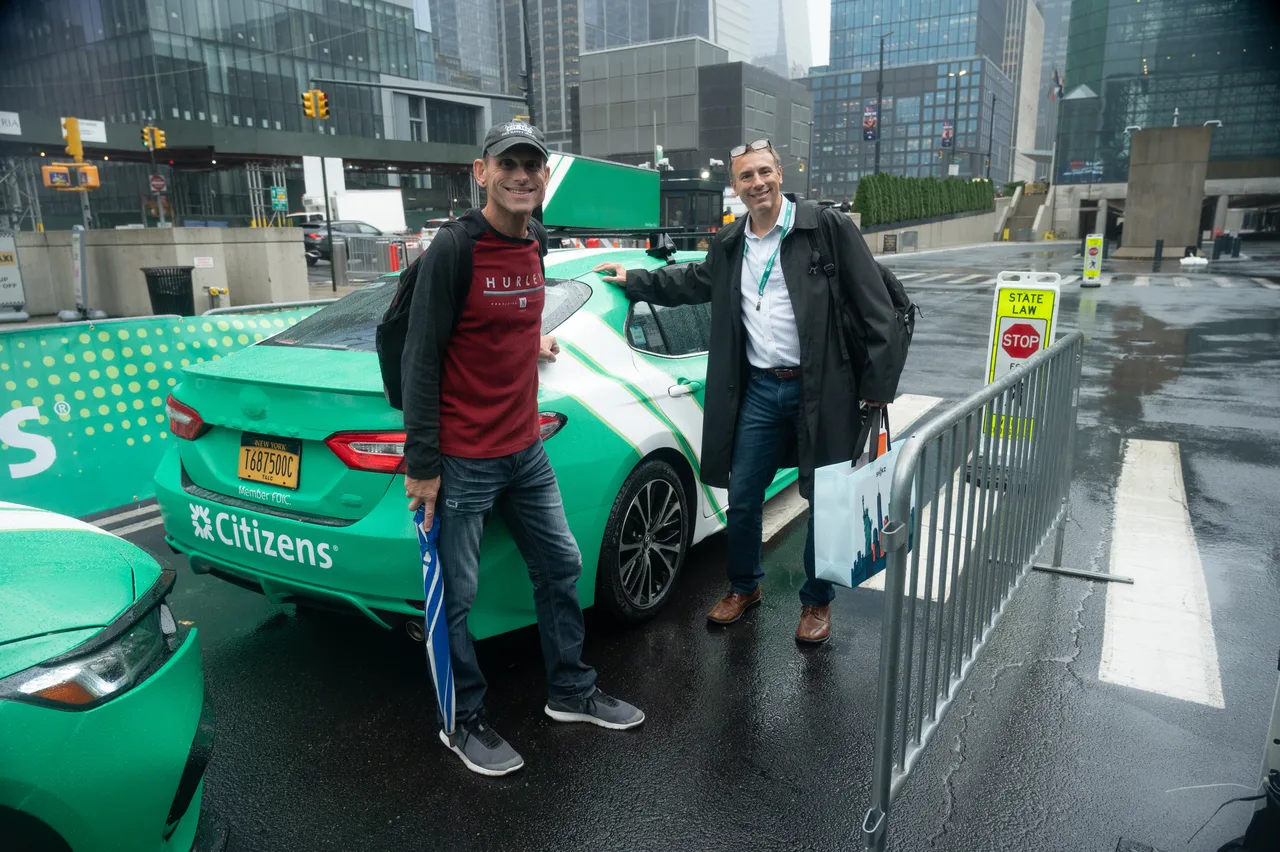
Consistency matters more than variety. One template across every vehicle means the brand is recognized whether a customer sees one van or five in a day. Fleet programs usually qualify for volume pricing, so ask what the per-vehicle rate becomes at the size you are actually buying, and ask whether the quote covers removal at the end.
The mechanism is the same at every size. A national delivery livery and a regional HVAC company with eight trucks are running the same play; the difference is coverage, not method. The fleet graphics guide covers template systems, depot rollouts and removal for programs of that size, and the commercial vehicle wraps guide has the shop price lists per coverage tier.
How Do You Choose a Wrap Provider?
Choosing the shop decides whether the wrap lasts for years or lifts at the edges in months. The wrap networks that recruit drivers' cars for you are compared in the car wrap advertising companies post; what follows is how to vet an installer for your own vehicles.
Ask for the film brand and product line in writing, and confirm it is a cast film, not a calendered one. Ask for completed vehicles you can inspect in person, and look at edges, seams, mirrors and bumpers: no bubbles, no lifted edges, clean tuck lines. Ask for fleet references, not only private-car customers, because fleet work demands the same result five times over.
Certifications are checkable. 3M runs a Preferred Installer program with a public directory, and Avery Dennison's Certified Wrap Installer program lists its installers in a public locator. A shop that claims either should appear in the manufacturer's own directory.
Get the rest in writing too: material specification, the manufacturer's material warranty in years, the shop's own installation warranty in years, turnaround, and a removal guarantee. A vehicle wrap is a durable asset rather than a media buy; judge it the way you would judge any other channel, with attribution from a named third party, against a control.
Frequently Asked Questions
How much does it cost to wrap a van for advertising?
Shops price a company van per job by size, coverage and design, and most publish no rates; Wrapmate's van page says wraps "typically cost $1,000 and up" (retrieved September 2026). For campaigns on drivers' cars, AdQuick's published guide lists a full wrap at $1,500 to $3,500 and a partial wrap at $800 to $1,800 per vehicle. Get a written quote for your own vehicle and market.
How long does a vehicle wrap last?
It depends on the film. Cast vinyl from 3M, Avery Dennison and ORAFOL carries a published durability rating per product and finish; ask which product you are buying and read that rating. Wrapmate states a typical five to seven years for professionally applied wraps, and SpeedPro warranties its wraps for three years on factory paint.
Is a partial wrap worth it compared with a full wrap?
Usually, if the sides and rear carry the message. A partial wrap uses less material and installation time, and AdQuick's published campaign figures put it at $800 to $1,800 per vehicle against $1,500 to $3,500 for a full wrap. Choose a full wrap when the factory color fights the brand or the design needs the whole surface.
Does a wrap damage the paint underneath?
A cast vinyl film applied to factory paint is designed for clean removal and protects the paint from UV and minor chips while it is on. Problems come from calendered film, poor prep or repainted panels. Ask the shop for a written removal guarantee and confirm the film brand and product line.
How do you measure the ROI of a vehicle wrap?
With third-party attribution against a control: a brand lift study by a named measurement partner, or footfall attribution from a location-data provider. Published studies of this kind used LoopMe and Foursquare. Per-vehicle impression counts are modeled estimates with no published method, so do not build the case on them.
Which is better, Wrapify or Carvertise?
Both run wrap campaigns on rideshare and delivery drivers' cars and neither publishes a rate card. Compare them on the markets you need, the attribution they can show you, how they verify wrap condition and mileage, and the study method behind any result they quote. The car wrap advertising companies post covers the wrap networks side by side.
What is the difference between a wrap and a car top ad?
A wrap is printed vinyl on the body of the vehicle, paid for once and static for its life. A car top is a roof-mounted display, sold as media per display per period, and in its digital form it can change creative by location and time of day. Many campaigns in the archive run both on the same vehicle.
What to send us
- Market, or markets
- Dates, or flight length
- Budget band
- The metric you will judge it by
A person replies with a written range and the formats that fit. No rate card exists; every number on this site is a published third-party figure.
Send the briefSources
- AdQuick, Car Wrap Advertising, cost table, retrieved 14 September 2026. adquick.com/car-wrap-advertising
- Blue Line Media, Taxi and Rideshare Advertising rate card, retrieved 14 September 2026. bluelinemedia.com/taxi-advertising
- Wrapmate, Van Wraps, retrieved 14 September 2026. wrapmate.com/wraps/vans
- SpeedPro, Van Wraps, warranty statement, retrieved 14 September 2026. speedpro.com
- OAAA and Morning Consult, Out of Home Advertising Study, March 2023 (fielded 10 to 15 November 2022, n=1,461; directional-ad subgroups n=440 and n=187). oaaa.org
- Lamar Advertising, Design Tips. lamar.com/en/advertising-resources/design-tips
- Avery Dennison Graphics Solutions, Certified Wrap Installer program and installer locator. graphics.averydennison.com
- Firefly, case study measured by LoopMe; Firefly case study measured by Foursquare. fireflyon.com
Written by
Melih Koray is a marketing and SEO practitioner who documents out-of-home media. He edits this site, sources every figure on it and checks each campaign caption against the photograph. He does not publish unsourced numbers, and he does not publish any operator's rate card.